Running the way it was sized to
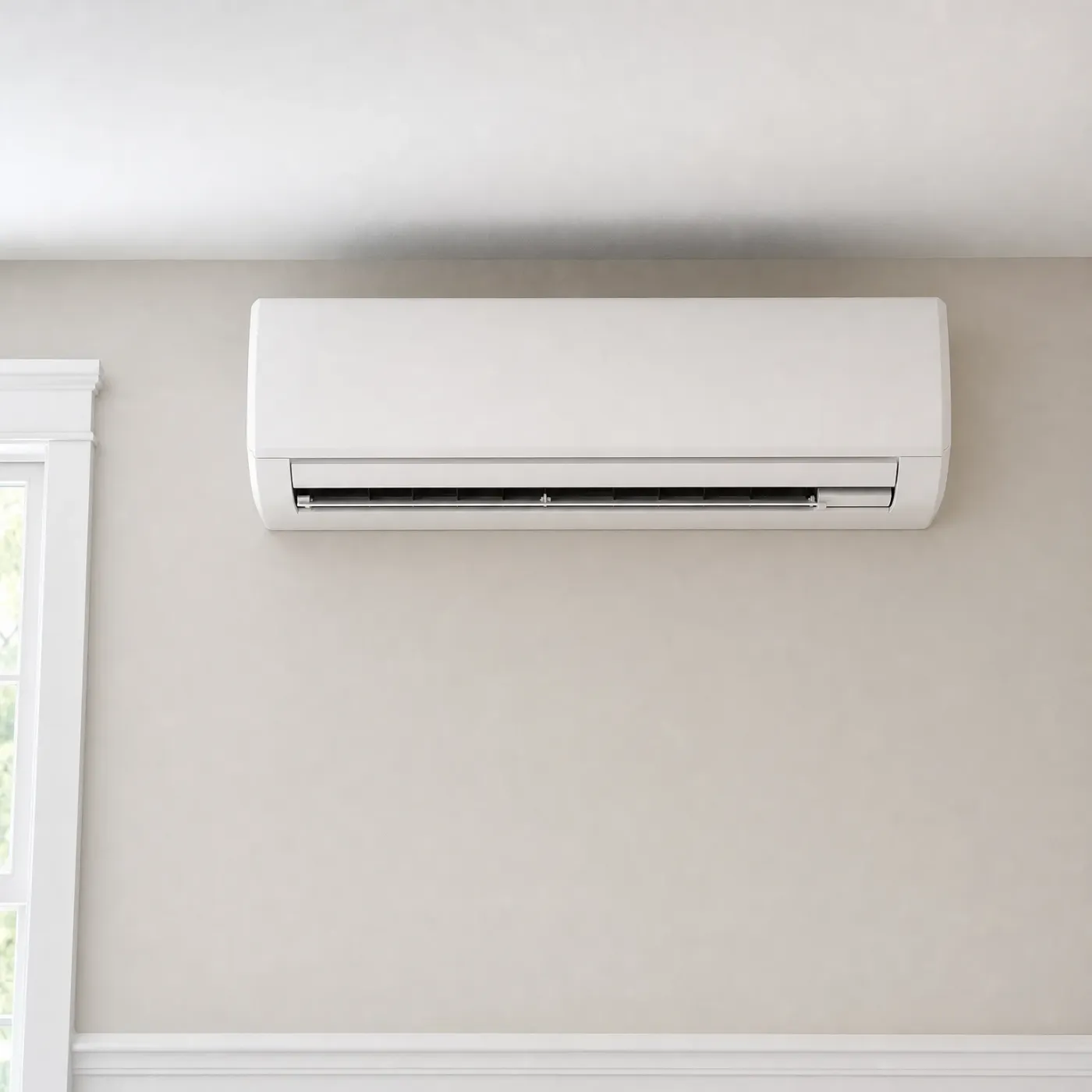
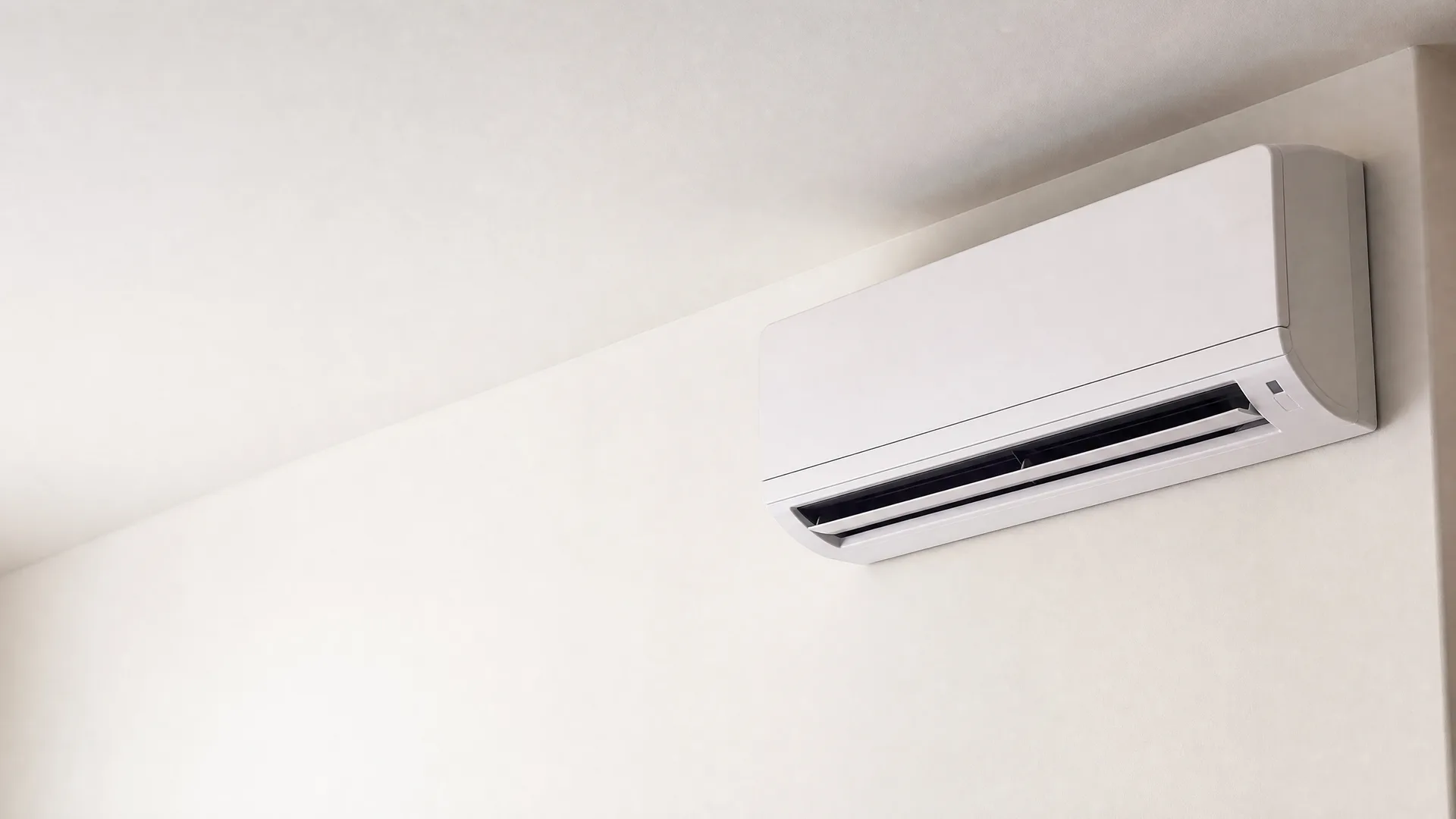
This head sits flush near the ceiling, casing clean, cycling on when the room needs it and shutting off once it's done. A mini split sized right for the space doesn't need to run long to get there.
 Get matched
Say what's going on with your mini split, and a pro who works on them reaches out.
Sizing a mini split isn't a number you look up by square footage alone. A unit too big cools the room fast then shuts off, so it never pulls the moisture out of the air and the room feels clammy even though the thermostat says it's cold. A unit too small runs constantly and still can't keep up on the hottest days. Getting it right means someone looking at your actual room, your windows, your insulation, and your layout.
In California, summers run warm but the air is dry, which changes the math compared to a humid climate. And with most homes here heating with gas, the mini split may be doing cooling duty only, or it may need to cover both, depending on your setup. That changes what size and what kind of system makes sense. With power costs among the highest in the country, an oversized or undersized unit doesn't just perform poorly, it costs you more every month it's running wrong.
This isn't something to guess at from a chart. It takes a contractor who can look at the specific room or rooms you're conditioning and work out the load for your home, not a generic one.
That's the part this page handles. Instead of searching through listings, calling a handful of installers, explaining your home's layout and your gas setup over and over, then sitting on quotes trying to compare apples to apples, you answer a few questions once. You get matched with a contractor who installs mini splits and knows how to size them for homes like yours in California. They reach out to you directly. No repeating yourself, no chasing anyone down.
From there, the conversation is about your actual rooms, your actual walls, your actual windows. That's where sizing gets decided, not here.
A mini split for a California home is usually sized smaller than the room charts suggest, because those charts assume heat loads from humidity and extreme heat that most of the state doesn't carry. Summers here run warm but dry, so the unit's main job is dropping the temperature a modest amount rather than wringing moisture out of thick air. Sizing is also tied to how the room is heated now. If gas handles your winter heating, the mini split only has to cover cooling, which usually means a smaller unit than one expected to carry both jobs. Get the size wrong and it shows up on the power bill, not just comfort, since electricity here costs more than almost anywhere else and an oversized unit cycles on and off instead of running steady. The right size depends on the room's exposure, ceiling height, and insulation, not just its square footage.
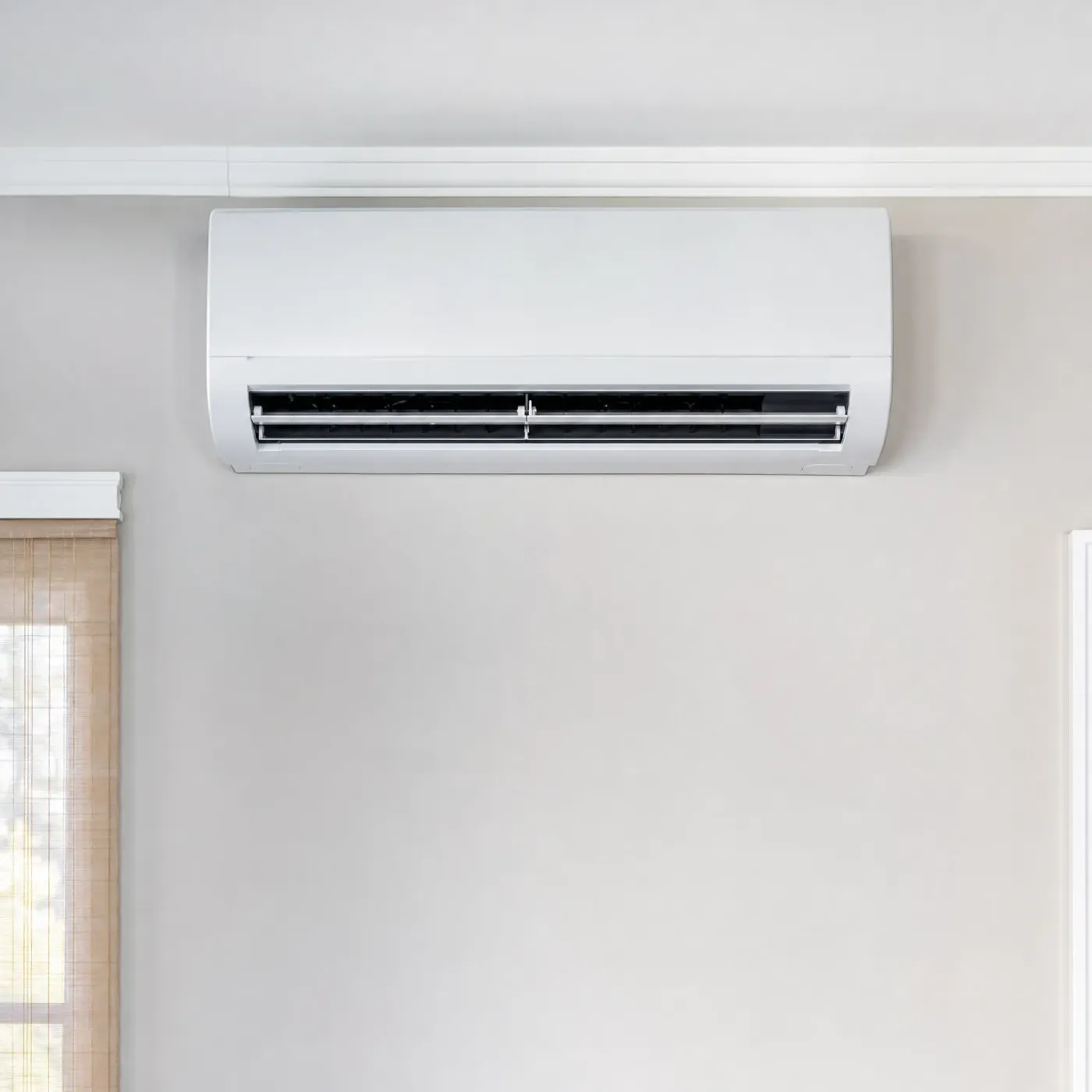
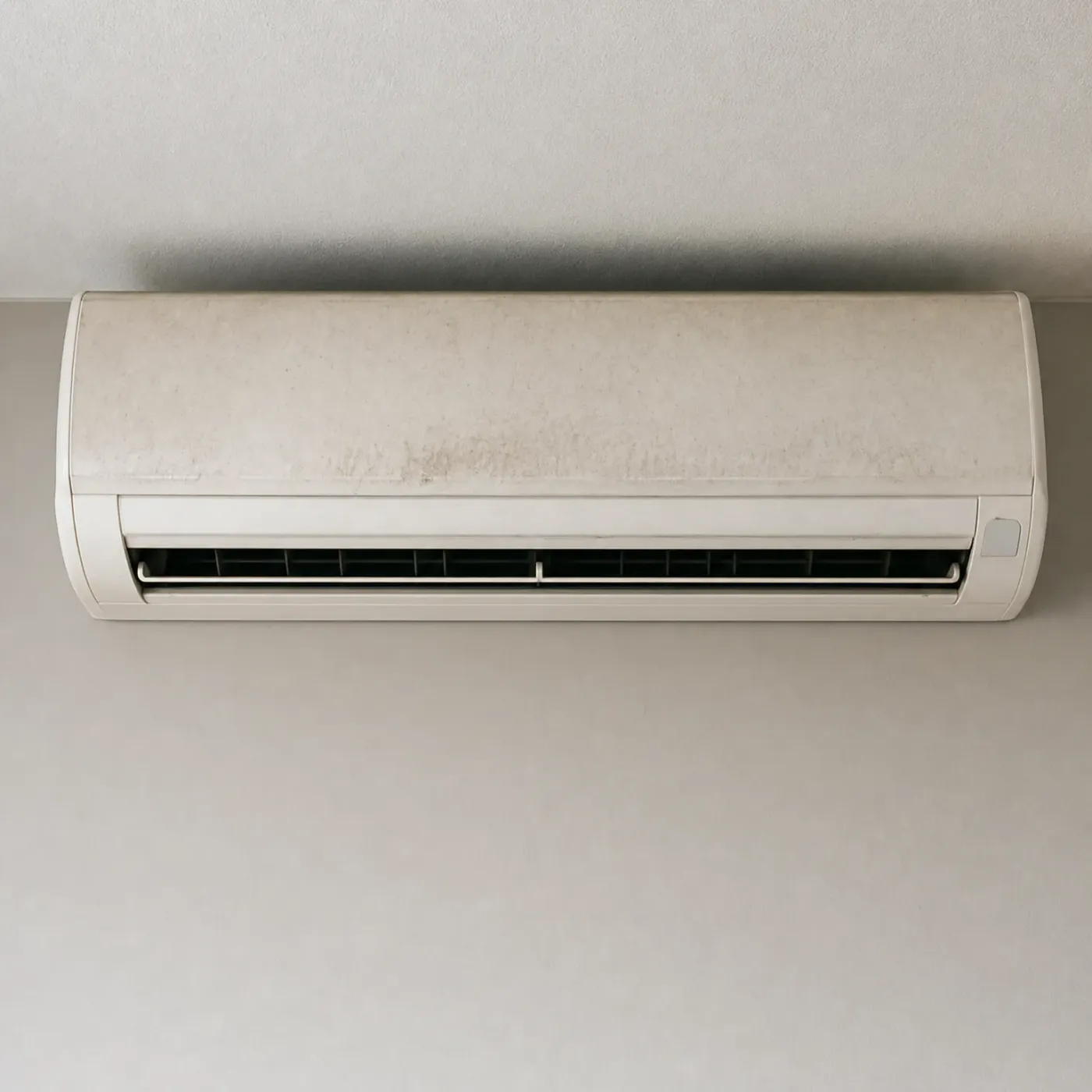




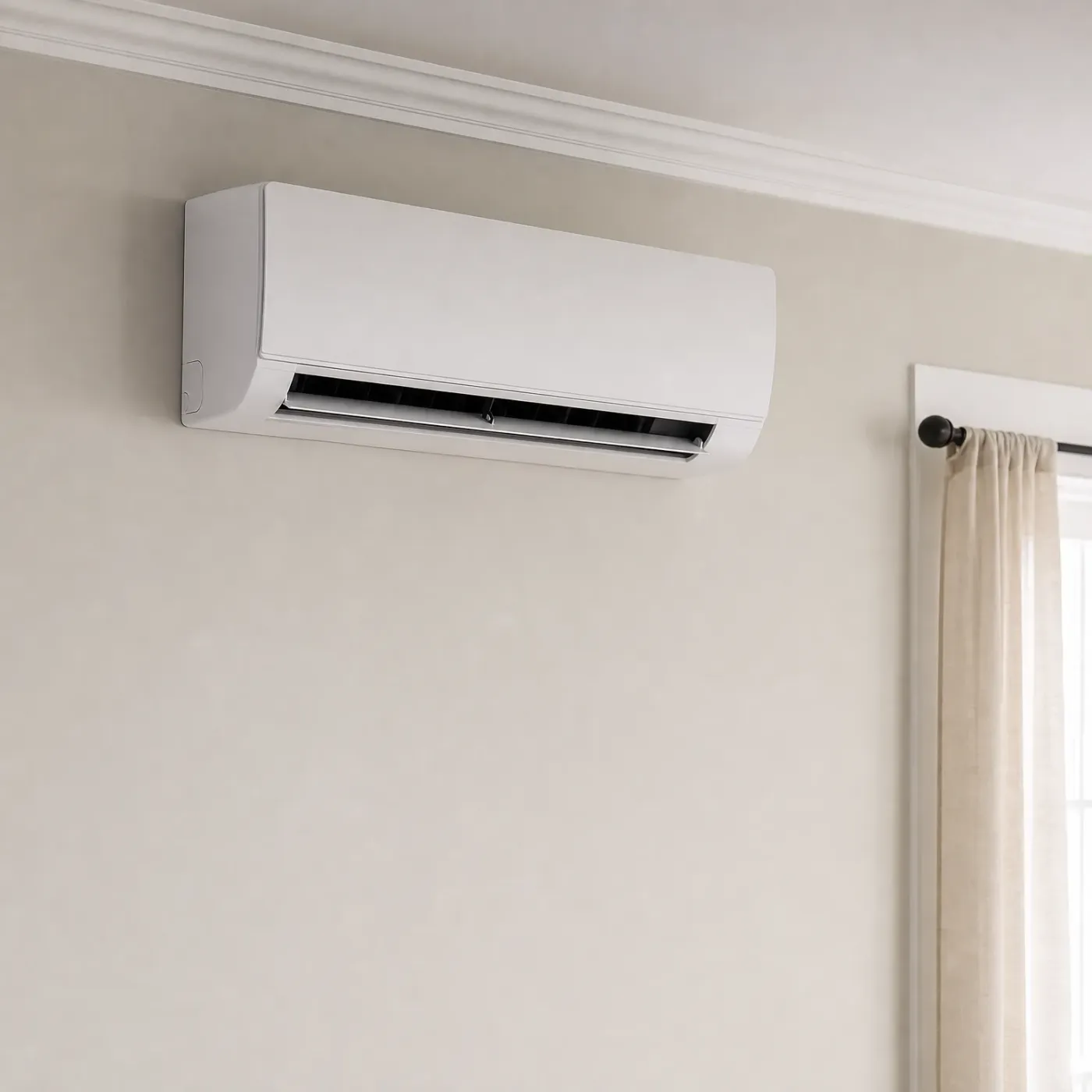
This head sits flush near the ceiling, casing clean, cycling on when the room needs it and shutting off once it's done. A mini split sized right for the space doesn't need to run long to get there.
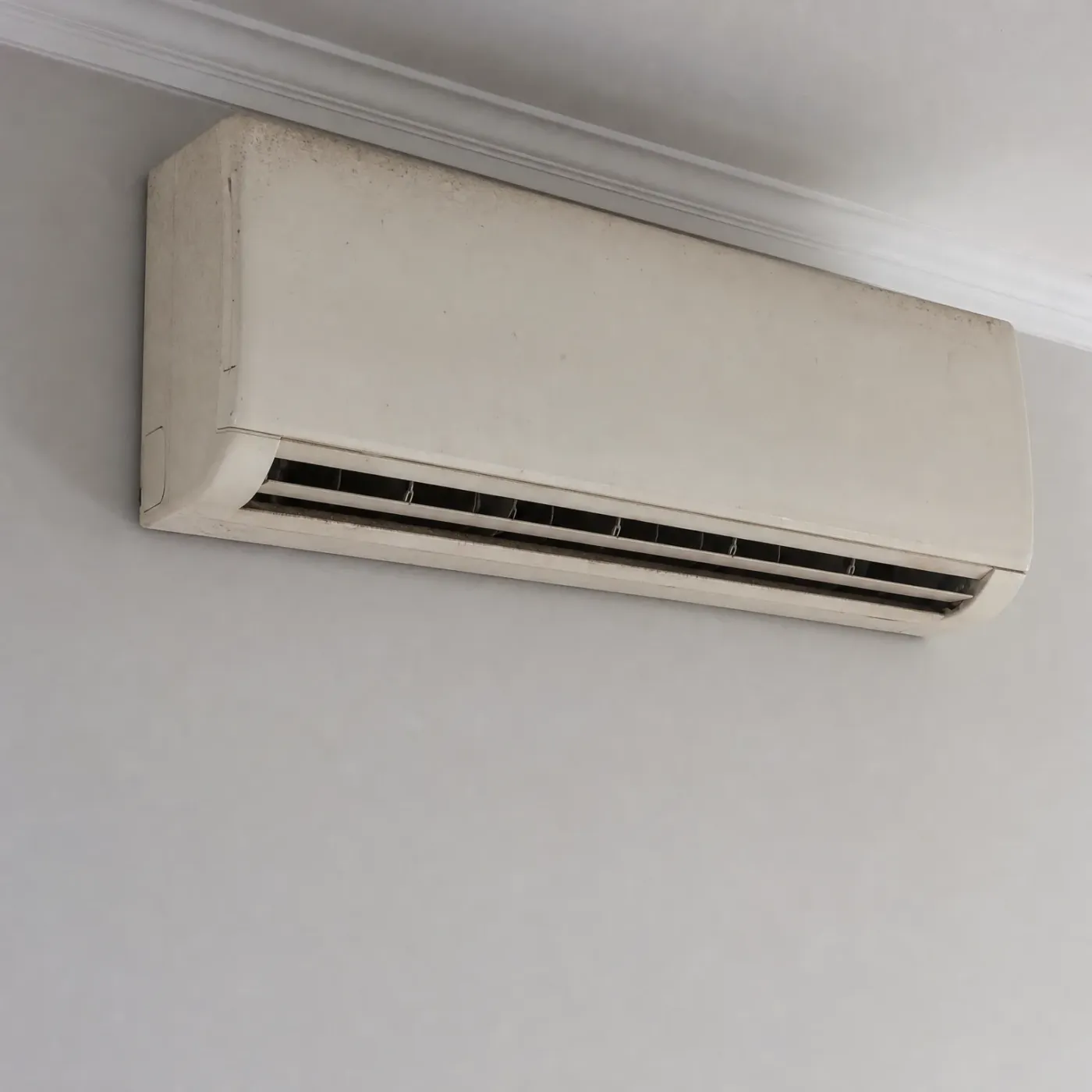
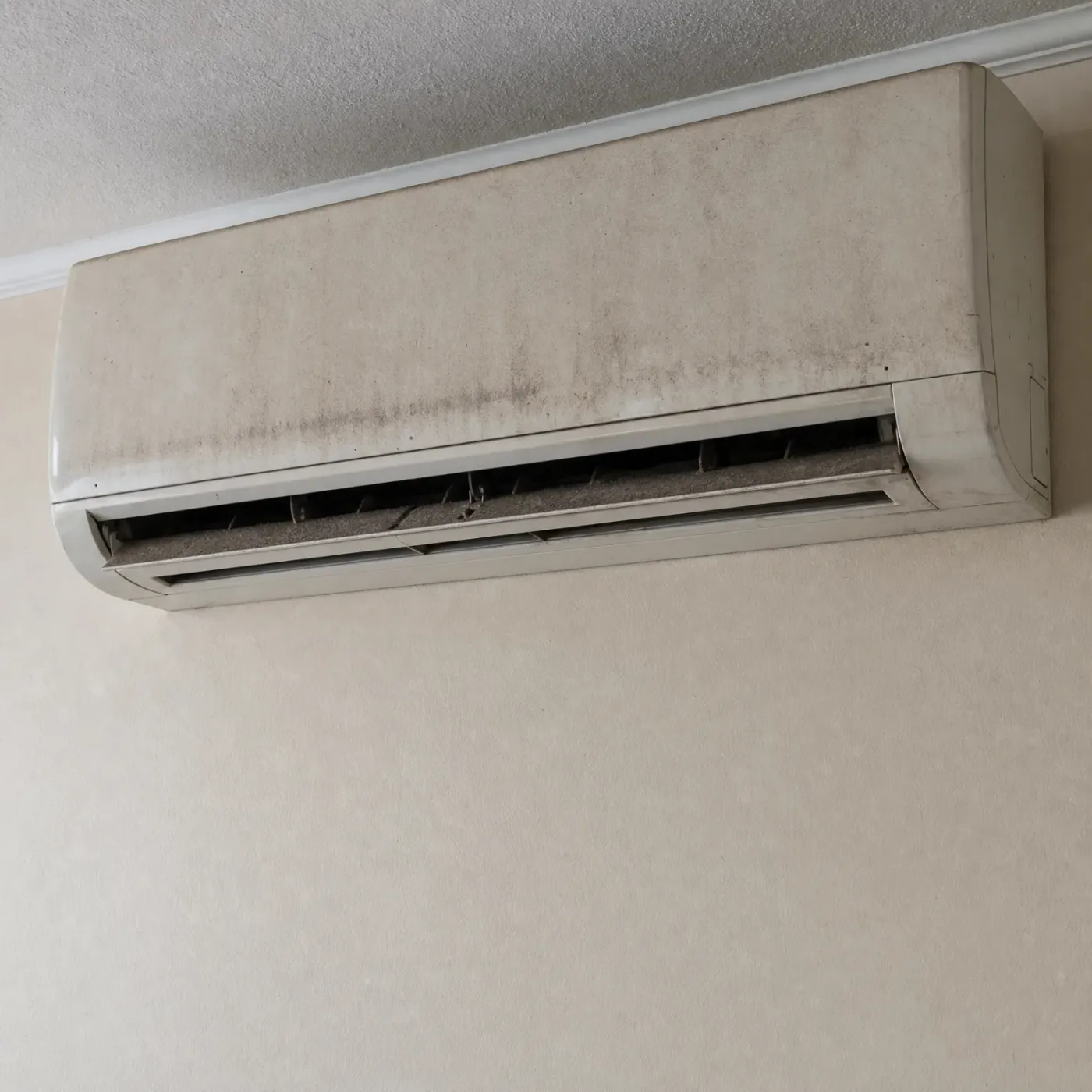
Dust and discoloration like this build up when a unit runs more than it should, often because it's the wrong size for the room it's cooling. A unit too big or too small for the space shows this kind of wear well before its time.

An oversized unit in your living room will hit the thermostat's number in a few minutes and shut off, so the air feels cool but still sticky. You'll find yourself nudging the temperature down to chase that clamminess, and your next power bill carries it. An undersized unit does the opposite: it runs most of the evening trying to catch up, and since you're probably heating with gas and cooling with this mini split, that extra electric draw shows up on a bill that's already steep.
Getting the size right the first time means pulling room dimensions, window exposure, and what else is on that circuit, then matching a unit to it instead of guessing off a chart. That's the kind of work worth handing to someone who's sized systems for homes like yours before. Answer a few questions about your place and a contractor who installs mini splits in your area will reach out, so you're not the one calling around and repeating the same details to three different companies.

A contractor measures the room's length, width, and ceiling height.
They check window size, insulation, and which way the room faces.
That load calculation sets the BTU number the unit must hit.
The indoor head gets matched to an outdoor unit of the same capacity.
Answer a few questions instead of calling shop after shop.
It costs nothing to send, and you don't have to hire anyone.
California data, averaged across homes statewide, puts the summer dew point at 50°F in June, July and August. That's dry air, and it changes what your mini split is actually doing on a hot afternoon. It isn't working to wring moisture out of the room, just cooling it. A unit sized for a muggy climate would short cycle here, hitting the thermostat's number and shutting off before the room truly feels done. Sized for dry heat instead, it runs longer at a lower output and holds the room steady without the on-off hammering that wears parts out early.
NASA POWER T2MDEW county cells weighted by homes
Why does my mini split short cycle instead of running steady?
Short cycling means the unit hits the thermostat's setting, shuts off, then kicks back on a few minutes later, over and over. That's what happens when the outdoor unit is rated for more BTUs than the room needs. It slams the temperature down fast and shuts off before the indoor coil has run long enough to pull moisture out of the air. In a California home, where summer air is already dry, that extra capacity has nothing to do. The room cools, the compressor stops, the air warms a degree, and it starts again. A unit sized to the room's actual load runs longer stretches and cycles far less.
Most homes in California heat with gas, so the mini split's main job most of the year is summer cooling, not carrying the house through winter. A unit sized for the room handles that job on its own power draw, nothing more. Oversize it and the compressor pulls harder at startup every time it cycles, which adds to a power bill that's already among the highest in the country.
The BTU number isn't just about the indoor head. The outdoor condenser has to be rated to match it, and a contractor sizes both together off the same load calculation. Pair an indoor head with an outdoor unit that's too large and the whole system inherits the oversizing problem, even if the head itself looks right for the room. Getting both sides matched is what makes the sizing number mean anything.
At 31.35 cents a kilowatt-hour, running an oversized unit in your living room isn't a small add to the bill. Get the BTU number right and the mini split draws power only for the minutes it takes to cool the room, not longer.
EIA-861 2025 statewide residential average


The number that matters isn't on a chart. It comes from measuring the room, checking the windows and insulation, and running that load calculation to a BTU figure. California's summer air is warm but dry, so a lot of the extra capacity those national charts build in for humidity doesn't apply to your house. Sized right, the unit cycles on, brings the room down, and shuts off. It doesn't run long because it doesn't need to. Sized wrong in either direction, you feel it. Too big and the room goes cold but stays clammy, because the unit shuts off before it pulls the moisture out. Too small and it runs and runs without ever catching up on a hot afternoon. Since most homes here heat with gas, the sizing question is really a summer question, and at 31.35 cents a kilowatt-hour, a unit running longer than it should shows up on the bill. Getting that BTU number right the first time means not having to find out the hard way, and it means not spending your evenings calling around for someone to check the work, explaining the same room and the same symptoms to every contractor you reach, then sitting with a stack of quotes trying to tell which one actually did the load calculation and which one guessed. The number is knowable. Who you get to confirm it is the part worth being careful about.
Get your mini split to the right pro