Tell us about the job
Takes about a minute. No obligation.
A mini-split compressor starts and stops repeatedly across every cooling season, and each cycle adds wear to the contactor, the capacitor, and the refrigerant seals. Homes in Sacramento County, CA run cooling about four months a year, from June through September. By the time a homeowner calls for a repair, those components have already logged a substantial share of their working life. A contractor diagnosing a fault here checks the compressor and its electrical components before looking anywhere else, because that is where the load lands.
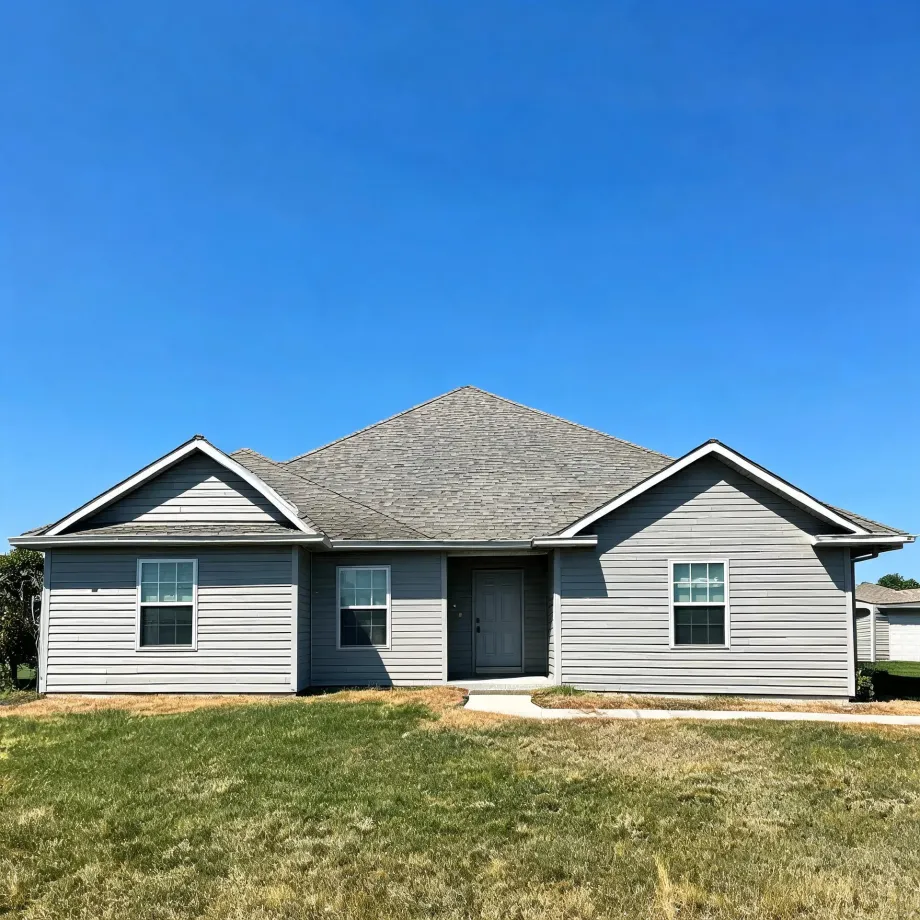
A mini-split sitting in a house built for an earlier generation of HVAC technology is already one step removed from the parts supply chain that newer systems draw on. Half the homes in Sacramento County, California were built in 1981 or earlier (2020-2024 ACS 5-year). When a contractor opens a unit in stock that old, the question is whether the refrigerant line set, the drainage path, and the indoor head's mounting footprint were adapted from something else or sized for a system no longer made. If the original parts have been superseded, the repair either runs on compatible substitutes or it does not run at all, and that is what the opened unit determines.
The Parts of a Mini-split a Contractor Checks First
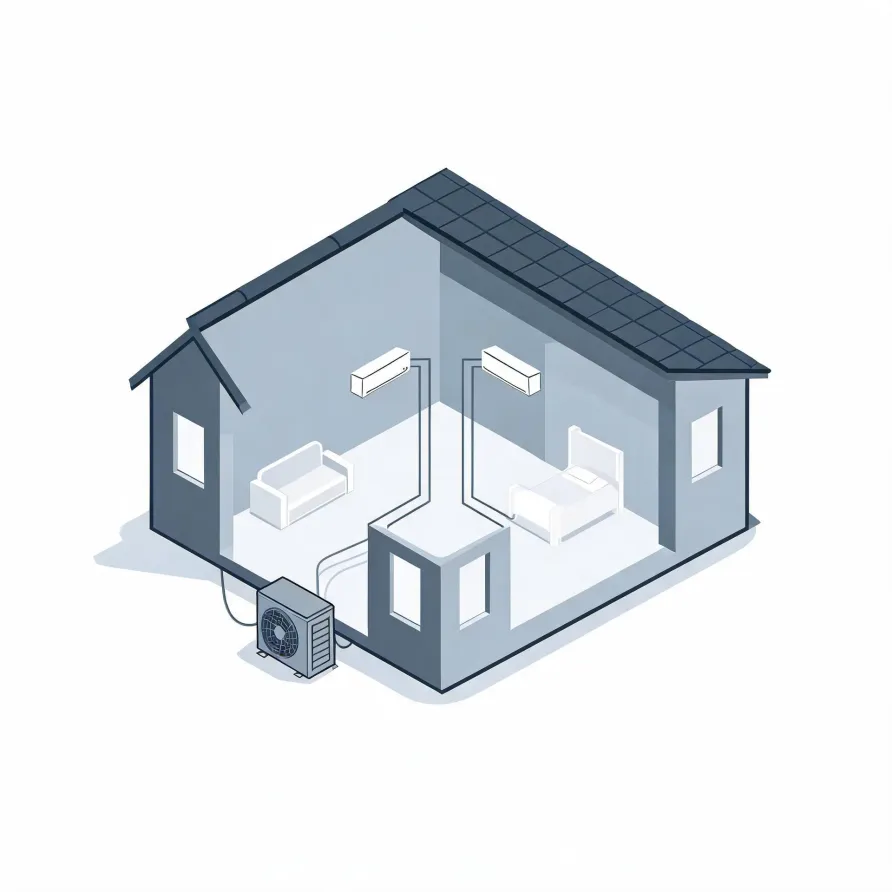
The indoor air handler mounts high on an interior wall and is the piece most homeowners notice. It holds the evaporator coil, the blower fan, and the filter. When cooling or heating drops off, runs unevenly, or stops altogether, a contractor starts here, looking at the coil for ice or corrosion and the fan motor for wear.
The outdoor condenser unit sits on a pad or bracket outside the house and holds the compressor and condenser coil. Those are the pieces that take the hardest mechanical load, so refrigerant pressure, compressor function, and coil condition all get checked there. A copper refrigerant line set and a condensate drain line run between the two units, and both can be sources of a fault.
The drawing shows a general layout of a mini-split system, and a licensed contractor determines which components and conditions apply to your specific home.
Get matched in Sacramento CountySacramento County by the numbers
60 severe weather events were recorded in Sacramento County, California between 2015 and 2024.
NOAA National Centers for Environmental Information, Storm Events Database, bulk CSV export, events 2015-01-01 through 2024-12-31.Half the homes in Sacramento County, California were built in 1981 or earlier (2020-2024 ACS 5-year).
U.S. Census Bureau, 2020-2024 American Community Survey 5-Year EstimatesSacramento County, California holds 598,385 housing units (2020-2024 ACS 5-year).
U.S. Census Bureau, 2020-2024 American Community Survey 5-Year EstimatesOwners occupy 59.0% of the occupied homes in Sacramento County, California (2020-2024 ACS 5-year).
U.S. Census Bureau, 2020-2024 American Community Survey 5-Year EstimatesMini-Split Repair Rules & Standards on the Books for Sacramento County, California1 sourced regulations and codes
Licensing and Legal Requirements in Sacramento County, California
California requires a state contractor license: it is a misdemeanour to engage in the business of, or act in the capacity of, a contractor in California without one, unless the work is exempt.
Severe Weather Events in Sacramento County
Extreme weather puts a direct load on heating and cooling equipment, stressing components and shortening the time between service calls. How hard the climate pushes a mini-split system is a local question, and Sacramento County has its own record.
60 severe weather events, 2016–2024. Source: NOAA National Centers for Environmental Information, Storm Events Database.