Tell us about the job
Takes about a minute. No obligation.
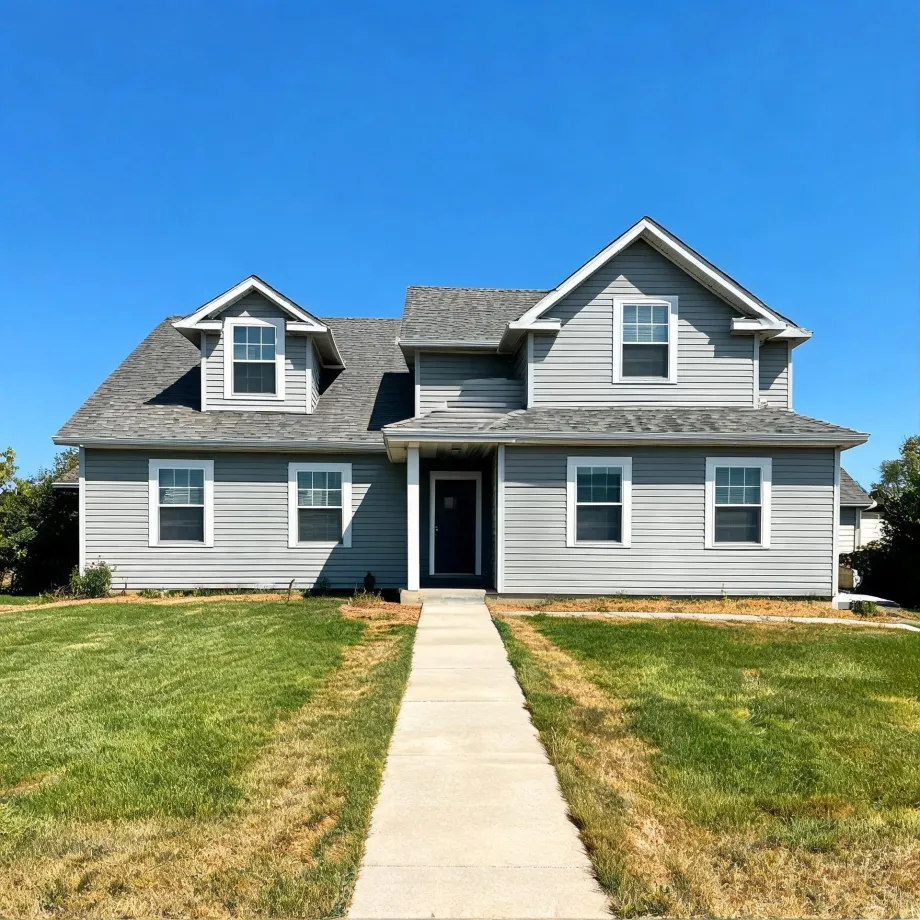
A mini-split compressor in this area does not fail quietly. Homes in Los Angeles County, CA run cooling about four months a year, from June through September. The contactor closes and opens on every cycle across those months, the condenser coil sheds heat in outdoor air that stays warm well into evening, and the refrigerant circuit runs under sustained pressure in a way that a system serviced only once a year starts to show. A contractor arriving at a failed unit looks at the contactor and the coil before anything else, because those components carry the season's work and their condition tells the story of how the system was maintained.
Refrigerant lines in much of this county's housing were run into spaces that were never planned for them, and the connections a contractor finds once a mini-split is opened reflect that history. Half the homes in Los Angeles County, California were built in 1965 or earlier (2020-2024 ACS 5-year). A house built for a different kind of cooling gets its refrigerant lines run where they fit, not where they are easiest to service, and line condition is what a contractor prices the repair around once the unit is apart. If the lines have degraded or the fittings are non-standard, the part the unit actually needs is a secondary question.
The Parts of a Mini-split a Contractor Checks First
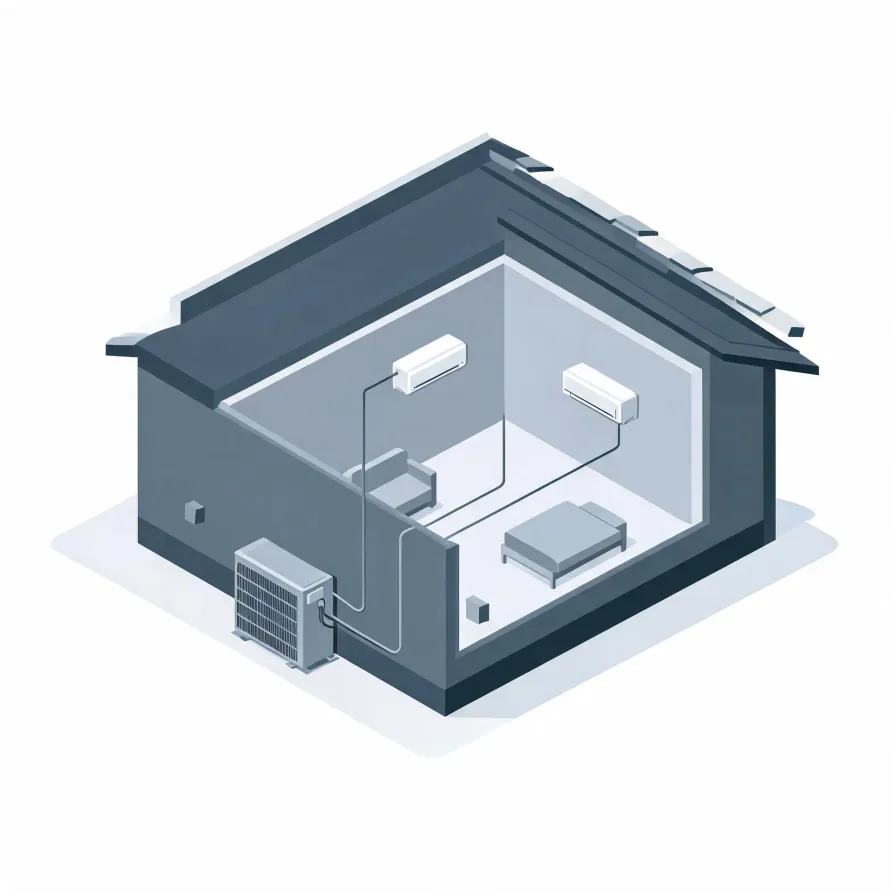
The indoor air handler mounts high on an interior wall and is the piece most homeowners notice. It holds the evaporator coil, a blower fan, and the air filter. When the system is short-cycling, leaking refrigerant, or blowing unconditioned air, the handler is where a contractor starts looking.
The outdoor condenser unit sits on a pad or bracket outside the house and carries the compressor and condenser coil. A refrigerant line set and a condensate drain line run between the two units through a small opening in the wall. The compressor and coil are common sources of pressure faults and electrical failures.
The drawing shows a typical mini-split layout, and a licensed contractor determines what applies to the specific setup in your home.
Get matched in Los Angeles CountyLos Angeles County by the facts
136 severe weather events were recorded in Los Angeles County, California between 2015 and 2024.
NOAA National Centers for Environmental Information, Storm Events Database, bulk CSV export, events 2015-01-01 through 2024-12-31.Half the homes in Los Angeles County, California were built in 1965 or earlier (2020-2024 ACS 5-year).
U.S. Census Bureau, 2020-2024 American Community Survey 5-Year EstimatesLos Angeles County, California holds 3,650,466 housing units (2020-2024 ACS 5-year).
U.S. Census Bureau, 2020-2024 American Community Survey 5-Year EstimatesOwners occupy 45.9% of the occupied homes in Los Angeles County, California (2020-2024 ACS 5-year).
U.S. Census Bureau, 2020-2024 American Community Survey 5-Year EstimatesMini-Split Repair Rules & Standards for Los Angeles County, California1 sourced rules and standards
Licensing and Legal Requirements in Los Angeles County, California
California requires a state contractor license: it is a misdemeanour to engage in the business of, or act in the capacity of, a contractor in California without one, unless the work is exempt.
Severe Weather Events in Los Angeles County
Weather puts direct stress on heating and cooling equipment, and the pattern in any given area shapes how hard local systems work and how often they need attention. Mini-split repair in Los Angeles County is a local question in part because local conditions are what the equipment answers to.
136 severe weather events, 2015–2024. Source: NOAA National Centers for Environmental Information, Storm Events Database.