
Is a mini split cheaper than baseboard heat in California
Yes, a mini split costs less to run than electric baseboard heat anywhere in California. Baseboard heat turns electricity straight into heat, one unit of power in, one unit of heat out. A mini split moves heat from the outside air into your home instead, so it produces several units of heat for every unit of power it uses. That difference matters most where you live, because California's electric rates are among the highest in the country, and the gap between a cheap way to make heat and an expensive one shows up fast on the bill. Most homes here heat with gas, which already runs cheaper than baseboard electric, so the real comparison on your bill is how much less your mini split draws against what baseboard would have cost you for the same rooms. Installing it is the only way to see that saving, since baseboard heat alone won't change until it's replaced.


How Each One Actually Heats
- A baseboard heater has a resistance wire inside that glows and heats the air around it directly.
- A mini split runs refrigerant through an outdoor coil that pulls heat out of the air outside, even when it's cold.
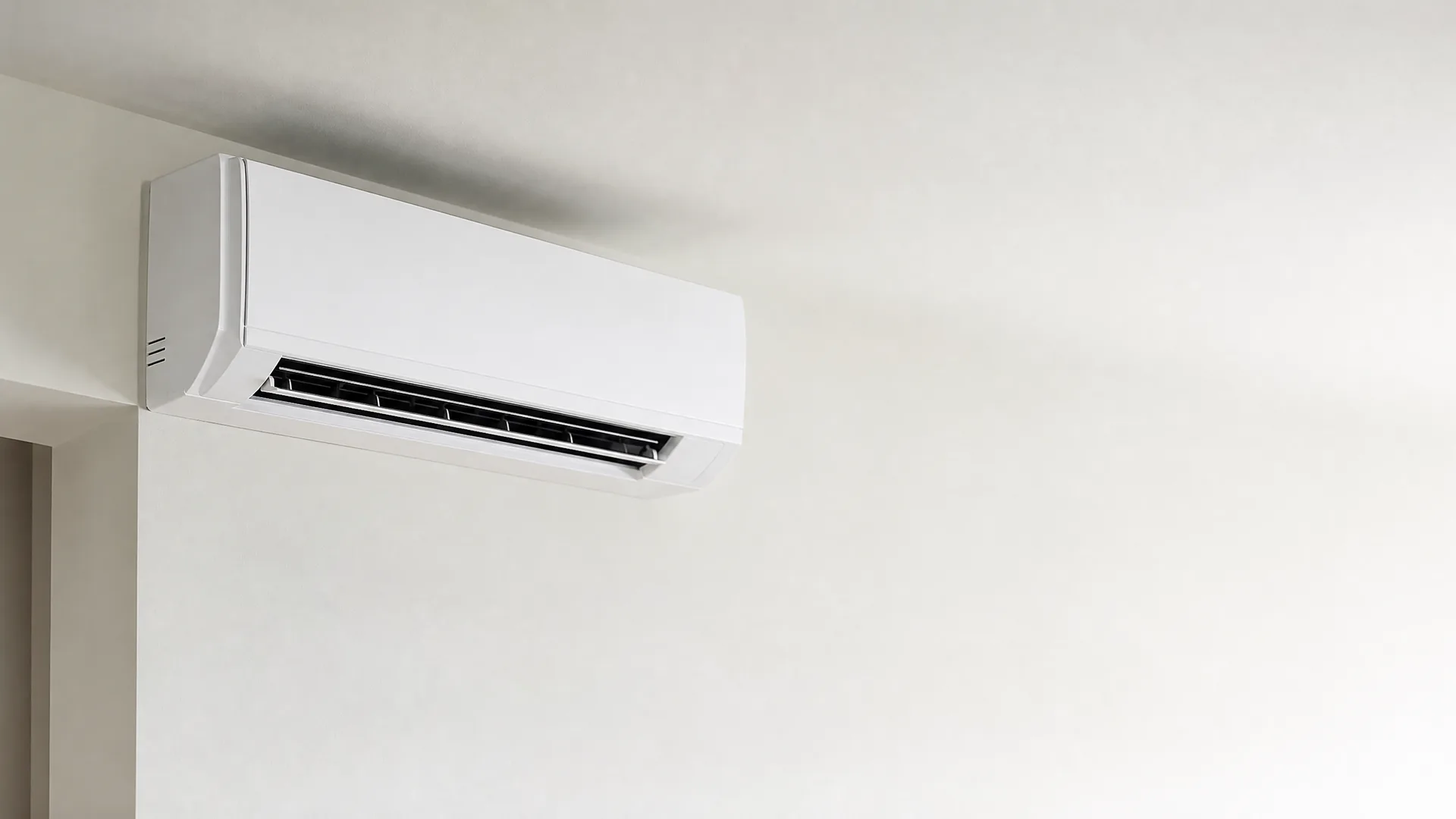
- That refrigerant carries the heat inside to a wall-mounted head, where a fan blows it into the room.
- For every unit of electricity it uses, a mini split can move two to three units worth of heat.
- A baseboard heater can only ever return one unit of heat for one unit of electricity, since it just converts power to heat.
- The outdoor unit has a compressor that cycles on and off to match how much heat the room needs, instead of running at full power the whole time like baseboard heat does.
A baseboard heater works the way a toaster does. Electricity runs through a resistance wire, the wire heats up, and the air touching it warms and rises into the room. There's no other step. Every watt that goes in becomes heat, and that's the ceiling on how efficient it can ever be.
A mini split does something else entirely. The outdoor unit has a compressor and a coil full of refrigerant, and that refrigerant is good at grabbing heat out of the air even when the air outside is cold. Refrigerant doesn't need the air to be warm to pull heat from it, just warmer than the refrigerant itself, which is the part most people don't expect. Once that heat is absorbed outside, the refrigerant lines carry it inside to the wall-mounted head, where a fan moves it into the room.
The compressor is what makes the difference in your bill. It doesn't run flat out all the time. It cycles up when the room needs more heat and backs off when it doesn't, matching output to demand instead of pushing the same wattage whether the room needs it or not. That's why a mini split can deliver two to three times the heat per watt compared to baseboard, which has no way to be more efficient than one-to-one. Same electricity, more heat delivered, because one system moves heat and the other just makes it.




Let someone else find the pro

Skip the round of in-home estimates for a new mini split.
It costs nothing to send, and you don't have to hire anyone.
Why baseboard costs so much here
Baseboard heat has no way around the cost of electricity, and power in California runs among the highest rates in the country. Every watt it draws becomes heat at a one to one rate, so the meter spins at the full price of whatever the heater uses. There's no outside air to borrow heat from, no coil doing part of the work. The wire just gets hot. That's the whole system.
What the mini split is doing instead
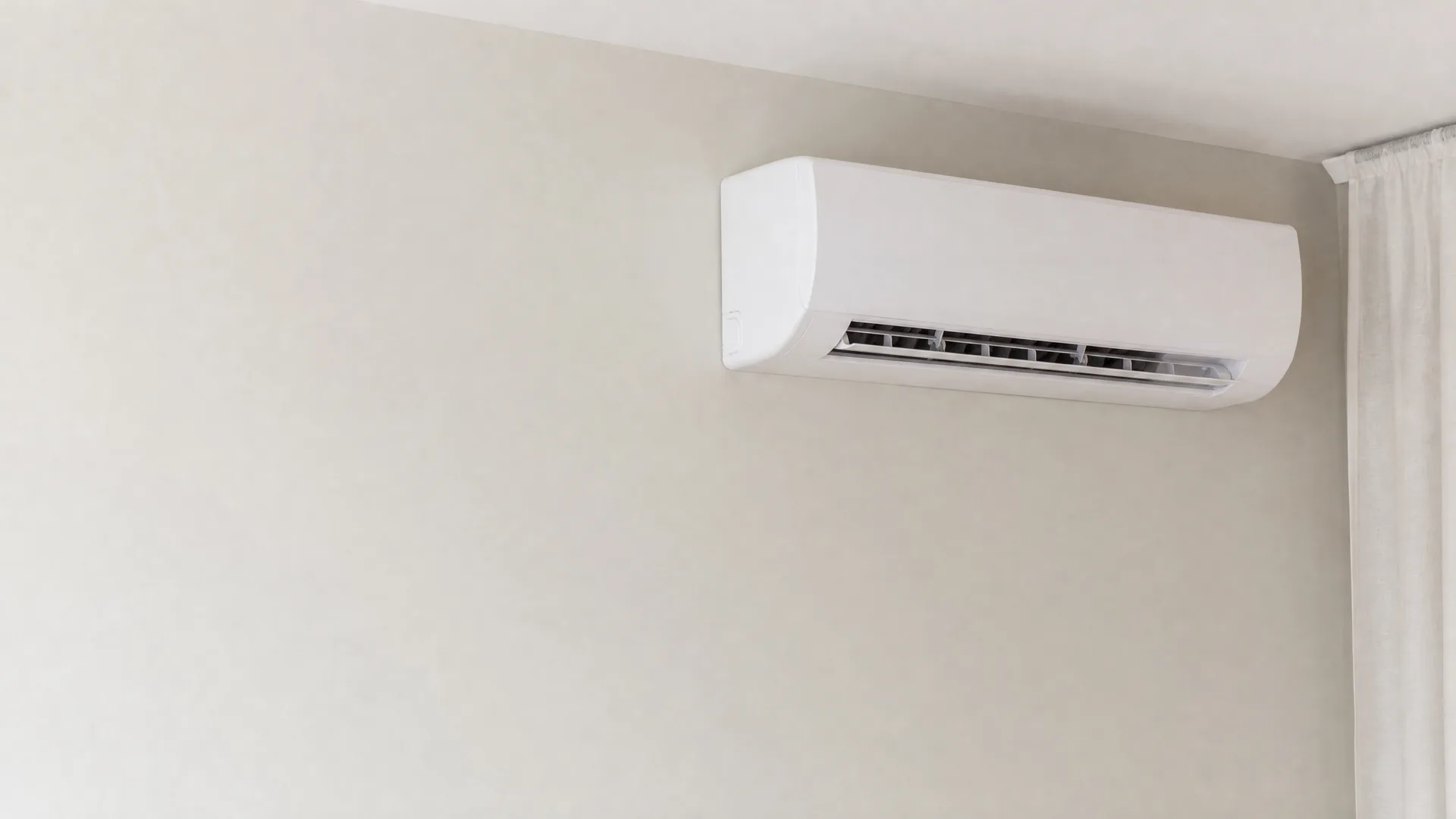
A mini split moves heat rather than making it, so most of what reaches your rooms didn't come from the electricity you paid for. It came from the air outside. That's why it can deliver more heat than a baseboard heater pulling the same number of watts. Most homes here already heat with gas, so the comparison that matters is what you'd pay to run the mini split against what the baseboard would cost on the same electric rate.
What's your baseboard heat actually running you
You already know the rooms with baseboard heat cost more to warm. You feel it when that unit runs most of the evening just to hold a room steady, and you see it on the bill the month it gets cold. The heater itself probably looks fine. No noise, no smell, nothing wrong with it. That's the problem. It's working exactly as designed, turning every watt straight into heat, and in California that watt is priced higher than almost anywhere else. If one room still has baseboard and the rest of the house doesn't, that's the room dragging the bill up every month you heat it.
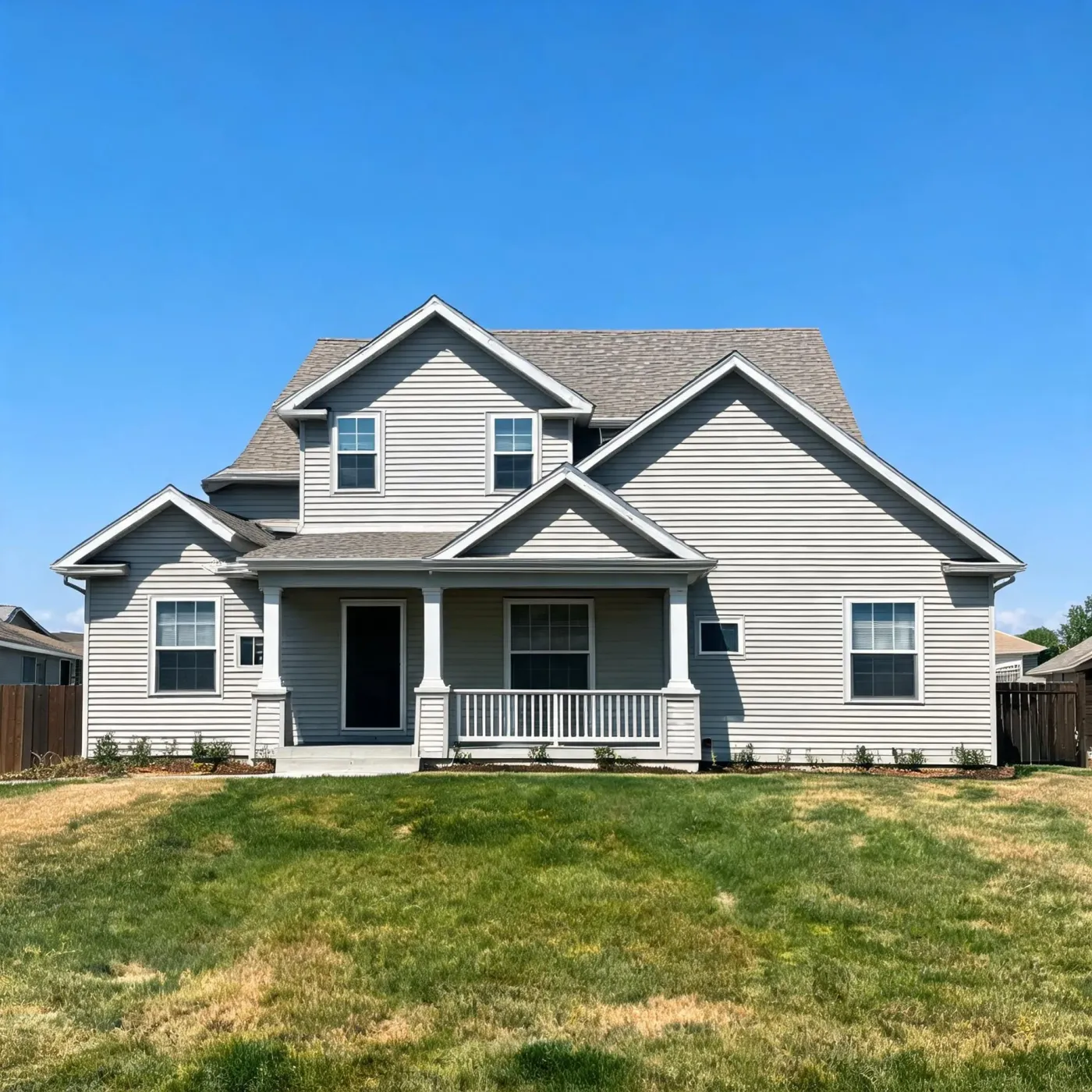
A summer dew point of 50°F across June, July and August is a dry number as these things go, averaged over where homes sit in California. That's why the mini split earns its keep on the cooling side too. It isn't fighting heavy, wet air to pull moisture out of your home, so it doesn't have to run as hard or as long to get a room comfortable. Baseboard heat never had a cooling side at all, so this part of the saving is one you only get because you switched. Expect shorter runtimes in July and August, and a lighter touch on the bill than you'd see somewhere muggier.
NASA POWER T2MDEW county cells weighted by homes

A mini split costs less to run, and you already have one
The answer doesn't change by season or by month. A mini split moves heat instead of making it from scratch, and against baseboard that difference shows up on every bill, all year, in a state where power costs what it does. The room with baseboard is the room costing you more, and the math behind that isn't close.
What's left is making sure the system in your home is set up to hold that advantage. A unit sized wrong, installed without care for the room it serves, or never checked over can quietly give back savings it should be keeping for you. That's the part worth having a second look at, instead of spending evenings calling around, repeating the same details to every contractor who picks up, and sorting through quotes that are hard to compare against each other.



One request and it's handed off
Describe the project once instead of to every installer.
No charge to send it. You decide if you hire them.