







Can a mini split be your only heat in California

Describe your mini split job, and a local pro who handles it gets in touch.

Get matched

Can a mini split be my only heat source in California?

You already have a mini split in, and you're wondering if you need to keep paying for gas heat on top of it. Most homes in California heat with a furnace, so running the mini split as backup is the normal setup. But winters here don't get brutal the way they do elsewhere, and that changes what's actually necessary once the gas bill and the furnace's age come into the picture.

Yes, for most California homes

A mini split moves heat instead of burning gas to make it, and it stays efficient even as the temperature drops, which is why it can carry a house through a California winter on its own. The exception is a night that drops well below freezing, something that only happens in the colder inland and mountain parts of the state. Where winters stay mild, a mini split sized for the rooms it serves can replace the furnace entirely. Power here costs more than almost anywhere else in the country, but a mini split uses so much less energy to produce the same heat that it often still runs cheaper than gas, especially if the furnace is old and losing efficiency.

A woman with long wavy brown hair in a grey ribbed sweater sits on a couch indoors, looking toward a window, with a potted palm-like plant and fireplace behind her.
A woman with long brown hair wearing a green V-neck top and beige cardigan sits on a light sofa, looking off to the side, with a dining table, lamp and framed picture in the background.
A woman with long dark hair in a cream knit sweater sits on a beige sofa indoors, looking toward a bright window with a houseplant and framed picture in the background.
A woman with long dark hair in a green knit sweater sits on a couch indoors, smiling and looking toward a window with a blurred room behind her.
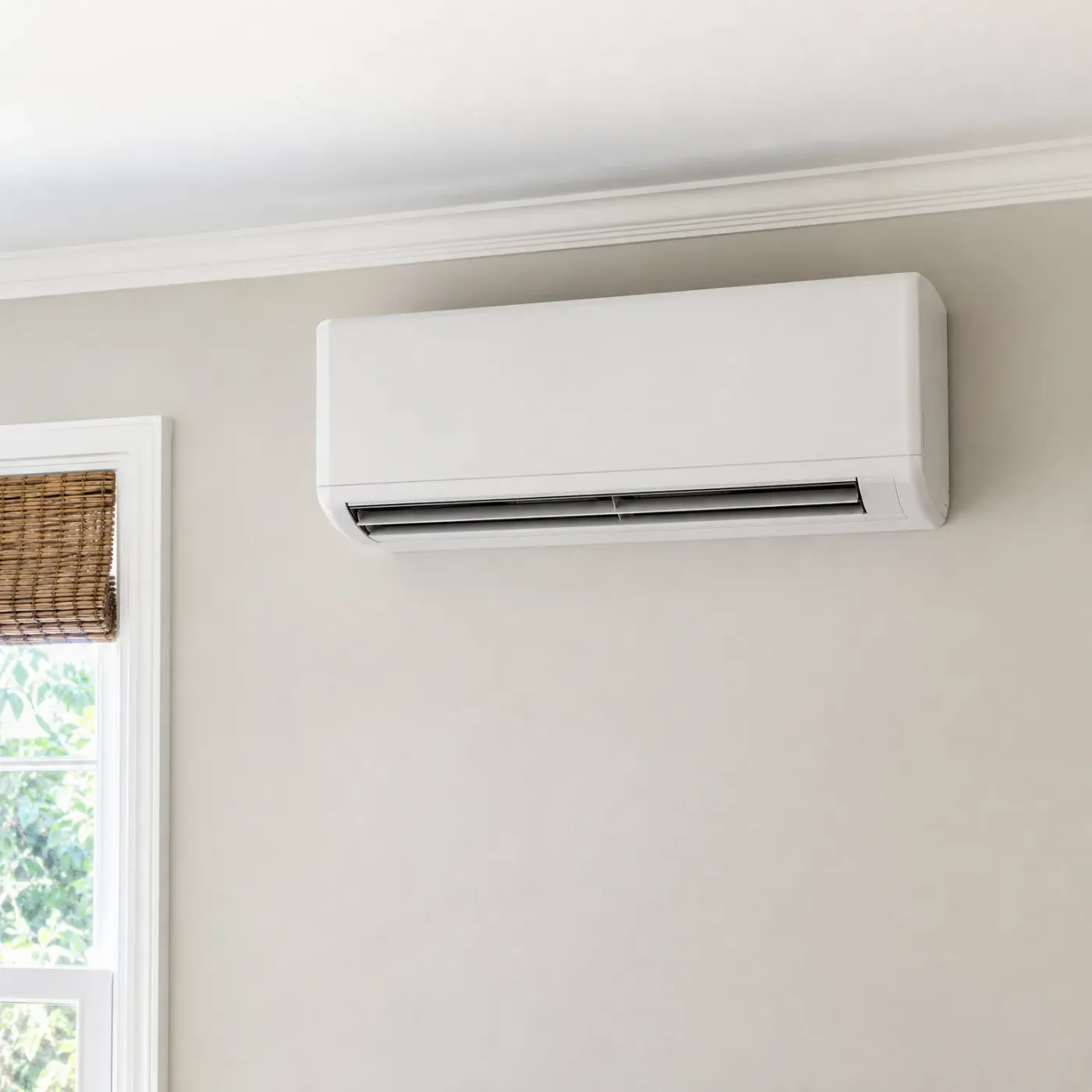
A white wall-mounted mini-split air conditioner unit installed high on a beige interior wall below white crown molding, with a window and woven shade at the left edge showing green foliage outside.
A mini split sized right for the room keeps it warm down to the low 30s and 40s without the furnace kicking on.
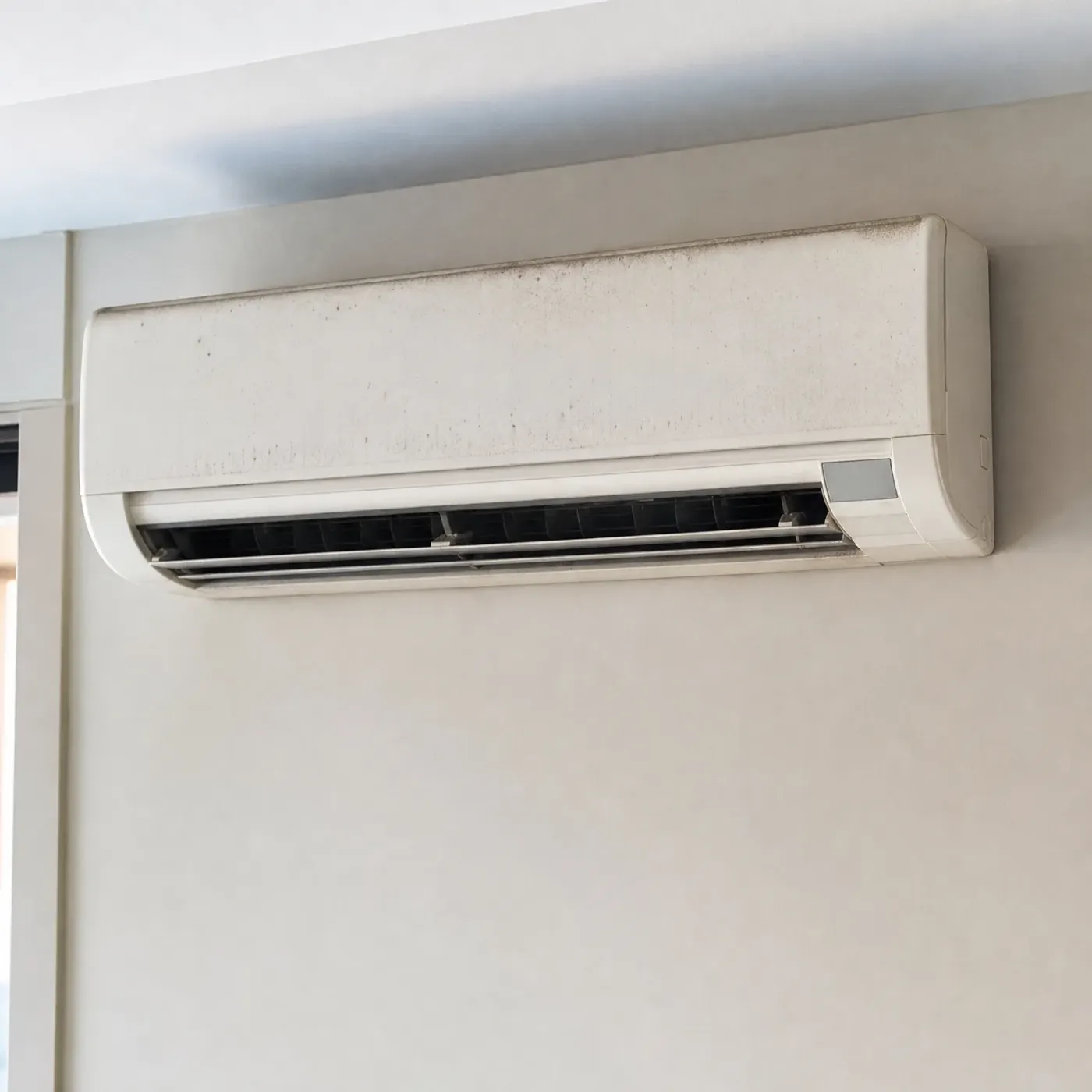
A dusty, stained white wall-mounted mini-split air conditioner indoor unit installed high on a plain off-white interior wall near the ceiling.
A dirty, neglected unit loses capacity in the cold and ends up running almost constantly, pushing your power bill up.
Single-story house with gray horizontal lap siding, dark shingled gable roof, a small covered front porch with a dark door, and windows, set behind a patchy green and brown lawn under a clear blue sky.

A 50°F summer dew point is what the National Weather Service measures across California homes in June, July and August, and that's dry air. Your mini split doesn't fight moisture here the way one would in a humid state, so cooling a room takes less work and the compressor doesn't run as long to get there. That matters for heat too. A mini split that isn't working overtime all summer stays in better shape for winter, when it's the one doing the job your furnace used to cover. Less strain now means fewer surprises when you need it to hold a room at 40 degrees outside.

NASA POWER T2MDEW county cells weighted by homes

Mini Split Alone or With Gas Backup

Mini split alone

  • Below freezing, most mini splits lose capacity, so a room that stays warm at 40°F can fall short once nights drop into the 20s.
  • You lose the furnace as a backup if the mini split needs a repair during a cold stretch.
  • Electricity in California is expensive, and a mini split working hard on the coldest nights will show up on that bill.
  • A unit sized and installed for your home's layout can still carry most winter days on its own, since California rarely sees extreme cold.
  • Running one system instead of two means one thermostat, one filter, one thing to maintain.

Mini split plus gas furnace

  • The furnace covers the nights the mini split can't, so the room never goes without heat.
  • Gas is usually cheaper than electricity here, so the furnace can carry the coldest, hardest-to-heat stretches for less.
  • You keep the ductwork and furnace you already have, so there's no system to remove or replace.
  • Two systems means two things that can need service, and two to keep up with.
  • The mini split still handles most of the season on its own, with the furnace stepping in only when it's needed.
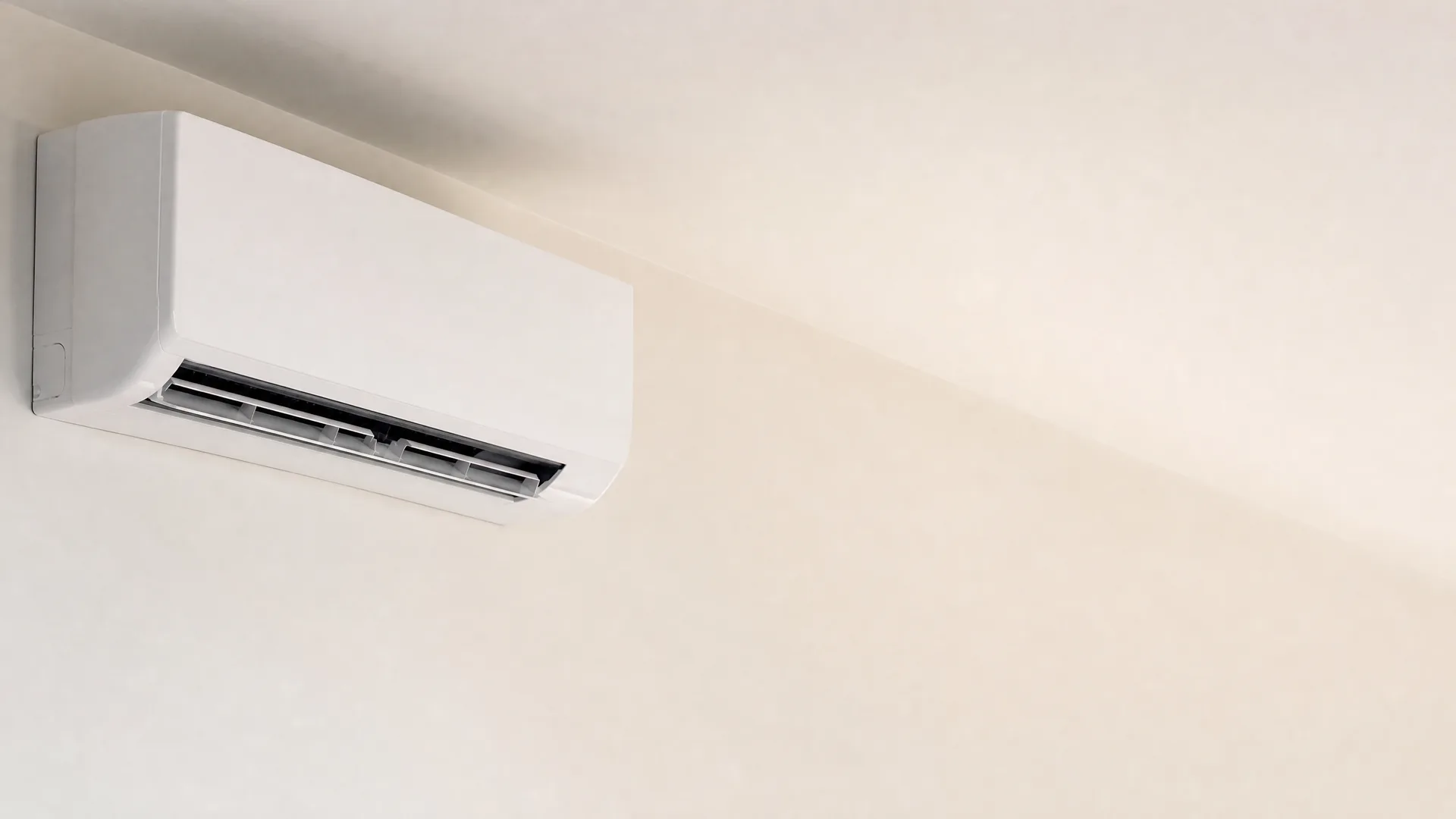
A white wall-mounted mini-split air conditioner unit installed high on a plain beige wall near the ceiling, with empty wall space to the right.

How a mini split makes heat

A gas furnace burns fuel to make heat. A mini split moves heat instead, pulling warmth out of the outside air and putting it into the room, even when it's cold outside. That's why it uses less electricity to produce the same warmth as a baseboard heater or space heater would. It's also why its output drops as the outside temperature drops. There's less heat out there to move.

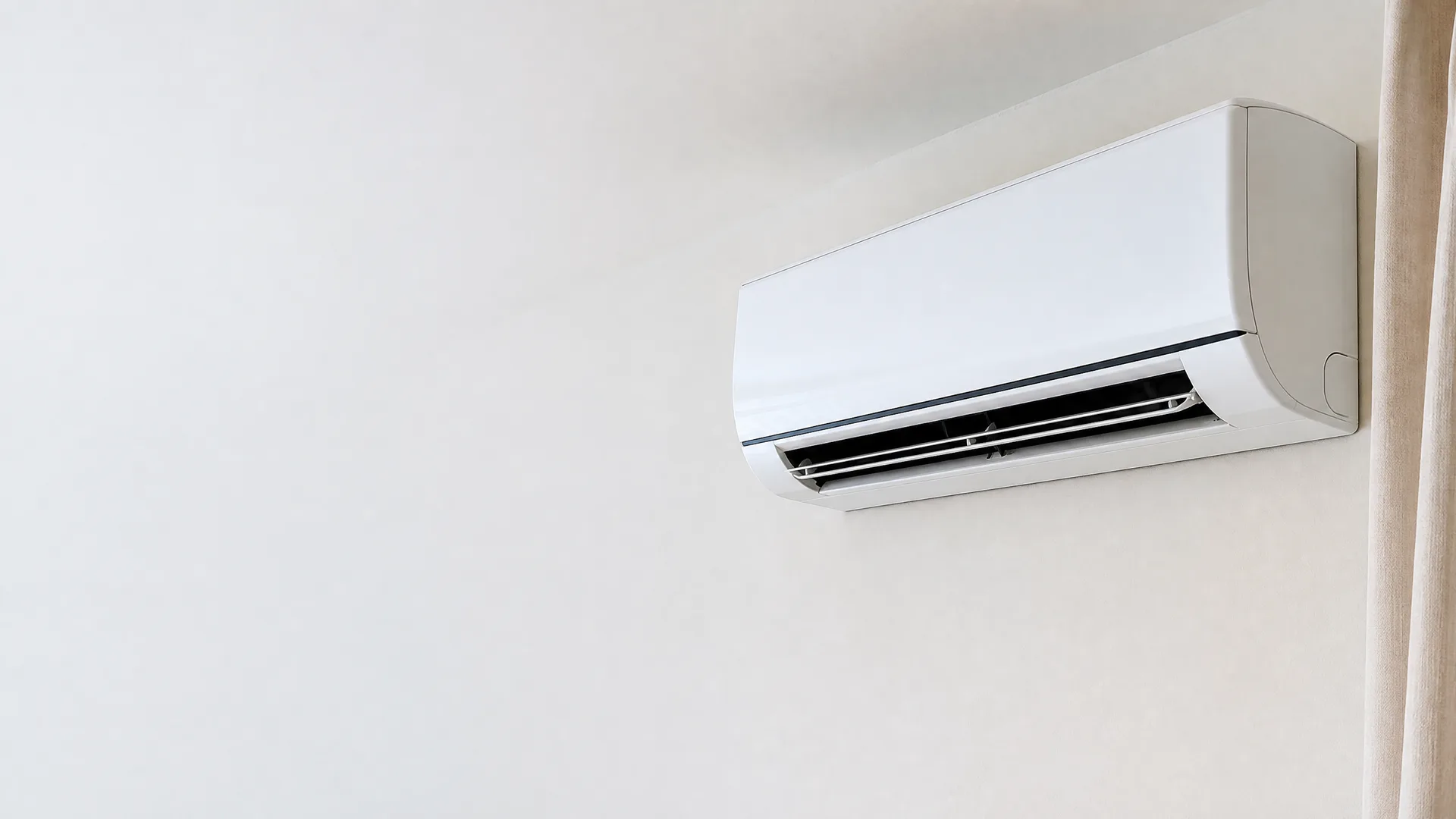
A white wall-mounted mini-split air conditioner indoor unit on a plain light-colored wall, with a beige curtain at the right edge of the frame.

Where the output numbers come from

Every mini split comes with a manufacturer's performance chart showing how many BTUs it puts out at different outdoor temperatures, usually down to 5°F or 17°F. That chart is specific to the model, not a general rule, and it's the only way to know what a given unit can actually deliver on a cold night in your area. A contractor sizing a system for year round heat should be working from that chart, not a guess.

A man seen from behind raises his hand to wave at a woman standing in the open front doorway of a single-story house with gray shingle siding, white columns and a gabled porch entry.

What this actually looks like in your house

If the mini split is heating one room and the furnace covers the rest, you already know which doors stay shut to keep that heat where you want it. The room with the mini split stays even. The hallway outside it doesn't, and if someone in the house spends most of their day in that one room, that's the room that matters most to get right.

A mini split that's sized and installed for the room it's heating will hold its own on most California nights. One that was put in without much thought to the room, the wall it sits on, or how cold that spot actually gets will start falling behind right when you need it most. A local contractor who installs these across your area season after season has seen which rooms hold heat and which ones fight it, and sizes for the one you actually have.

A gray upholstered sofa with a textured cushion sits beside a dark round side table holding a vase of green foliage, with a table lamp and sheer-curtained window behind.
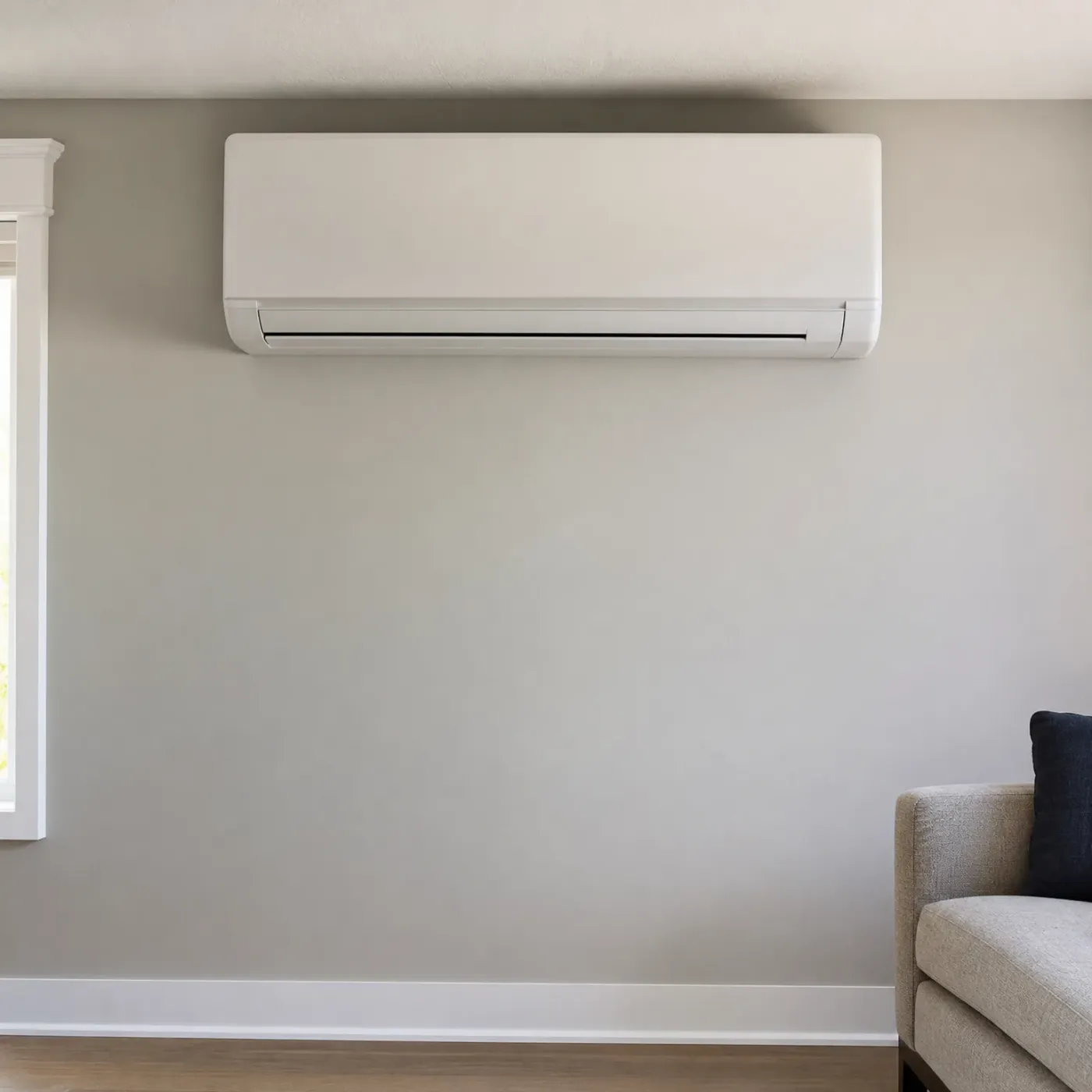
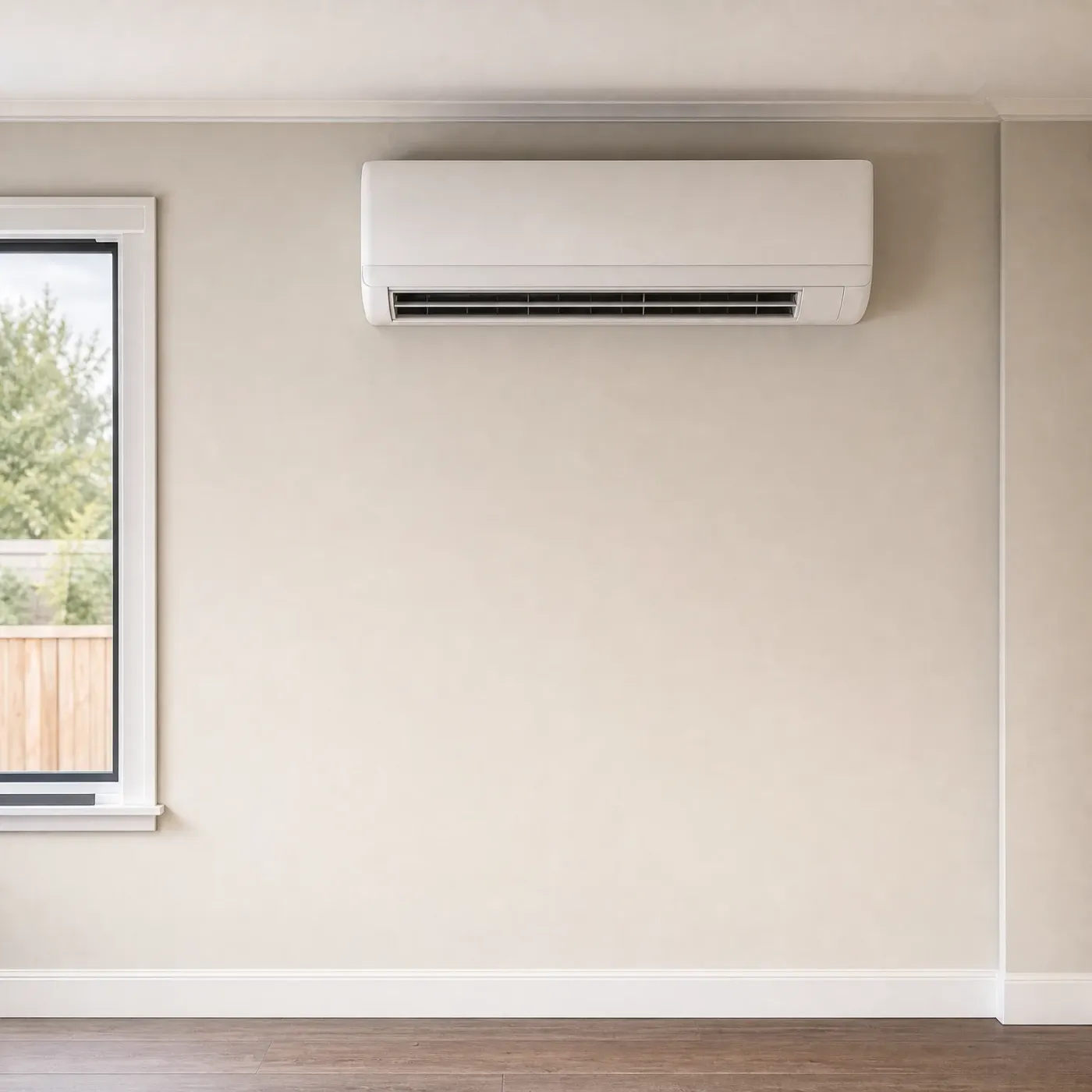
A white wall-mounted mini-split air conditioner on a beige interior wall, with a window at left showing trees and a wooden fence, and dark wood flooring below.

Unit sized and maintained

This is what carries a room through winter on its own. Clean coils and a filter that gets checked pull full capacity out of the cold air outside, so the unit holds its output down into the 30s and 40s instead of straining for it. It cycles the way it's supposed to, and your power bill reflects that.
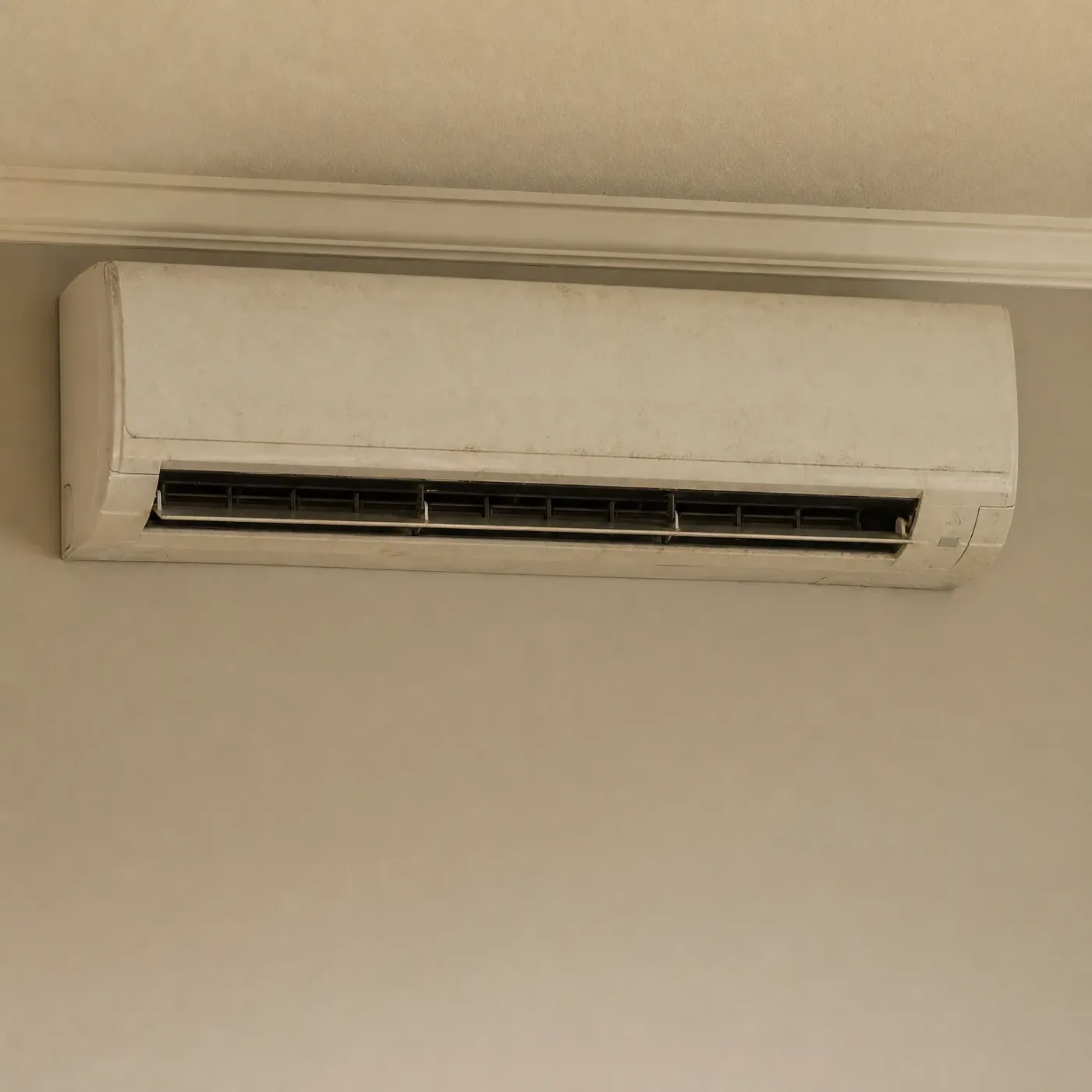

A white wall-mounted mini-split air conditioner indoor unit with dark louvered vents, installed near the ceiling on a beige wall below white crown molding.

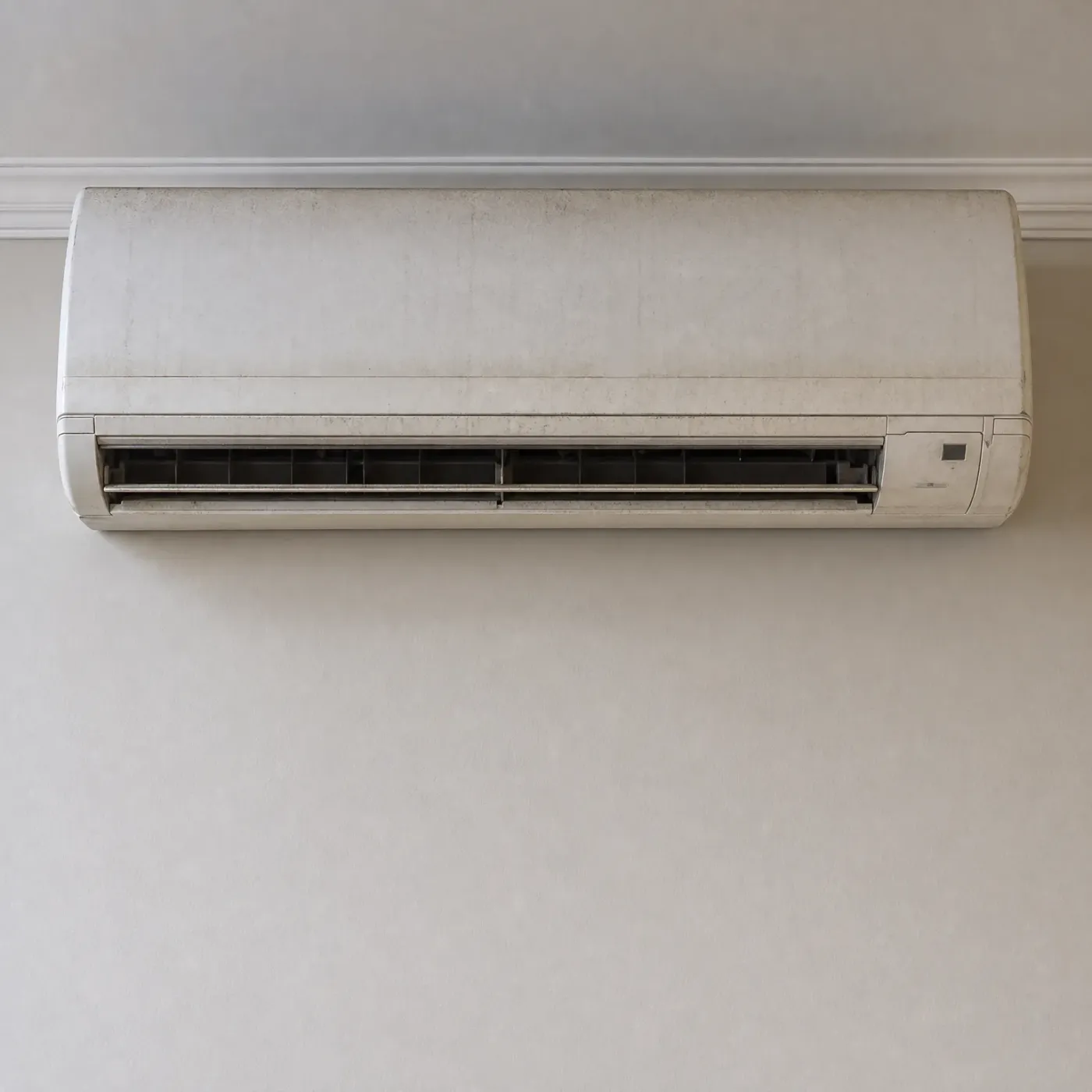
Unit aged and neglected

Dust on the coil and a clogged filter make the unit work harder for the same heat, and in cold weather that shows up fast. It runs longer to hold the same temperature, pulling more power the whole time. Left like this, it's not something you want standing in for your furnace on a cold night.

A gray-haired woman in a cream knit sweater stands in a dimly lit kitchen at night, looking to her right, with a round loaf of bread in the foreground and a dark window and potted plant behind her.
A woman and a sleeping child wrapped together in a cream knitted blanket on a couch, with a potted plant, framed photo and lit lamp in the background.
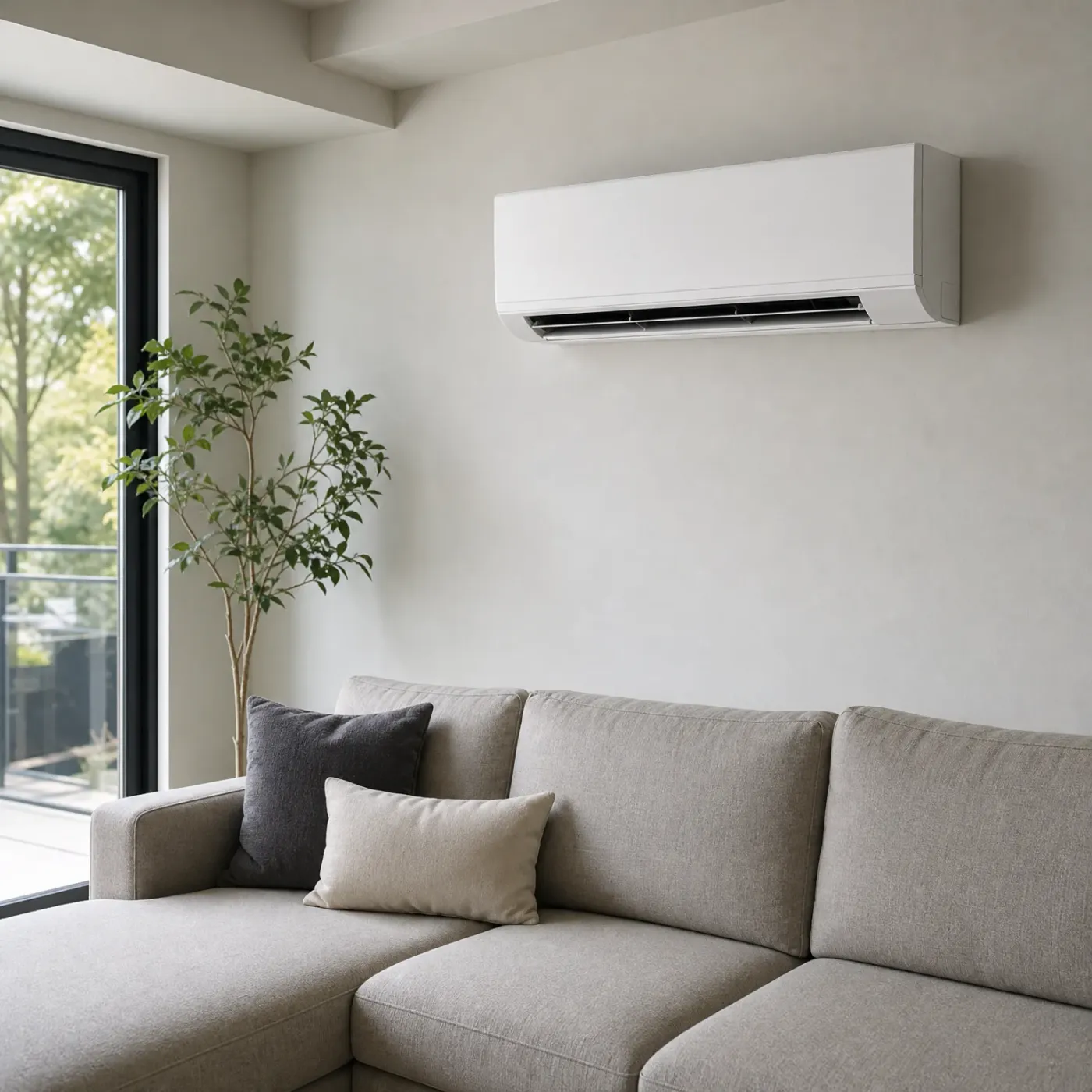
A white wall-mounted mini-split indoor unit on a pale interior wall above a gray sectional sofa with cushions, next to a potted leafy tree and a floor-to-ceiling window showing green trees outside.

A local pro for your mini split installation

One installer gets your project, so there's no bidding war over it.

A local installer who puts in mini splits gets your project.

Find a mini split pro

No charge to send it. You decide if you hire them.

Is your mini split actually keeping that room warm?

You can tell by standing in the room. If it holds steady while the rest of the house runs cooler, the unit is doing its job. If the fan seems to run nonstop, or the air coming out feels lukewarm instead of warm, it's losing capacity in the cold and working harder than it should. Frost built up on the outdoor unit that never seems to clear is another sign. Left alone, a unit straining like this won't fail outright, but it will cost more to run and leave that room colder than you expect on the nights you're counting on it most.

A white wall-mounted mini-split indoor unit installed high on a gray interior wall, with a window at left and part of a light gray sofa with a dark cushion at lower right.

Working the way it should

Warm air moves out of the vent and the room holds its temperature. The coils stay clear so the unit pulls full heat out of the cold air outside, even on a 40°F morning, without the fan running nonstop to keep up.

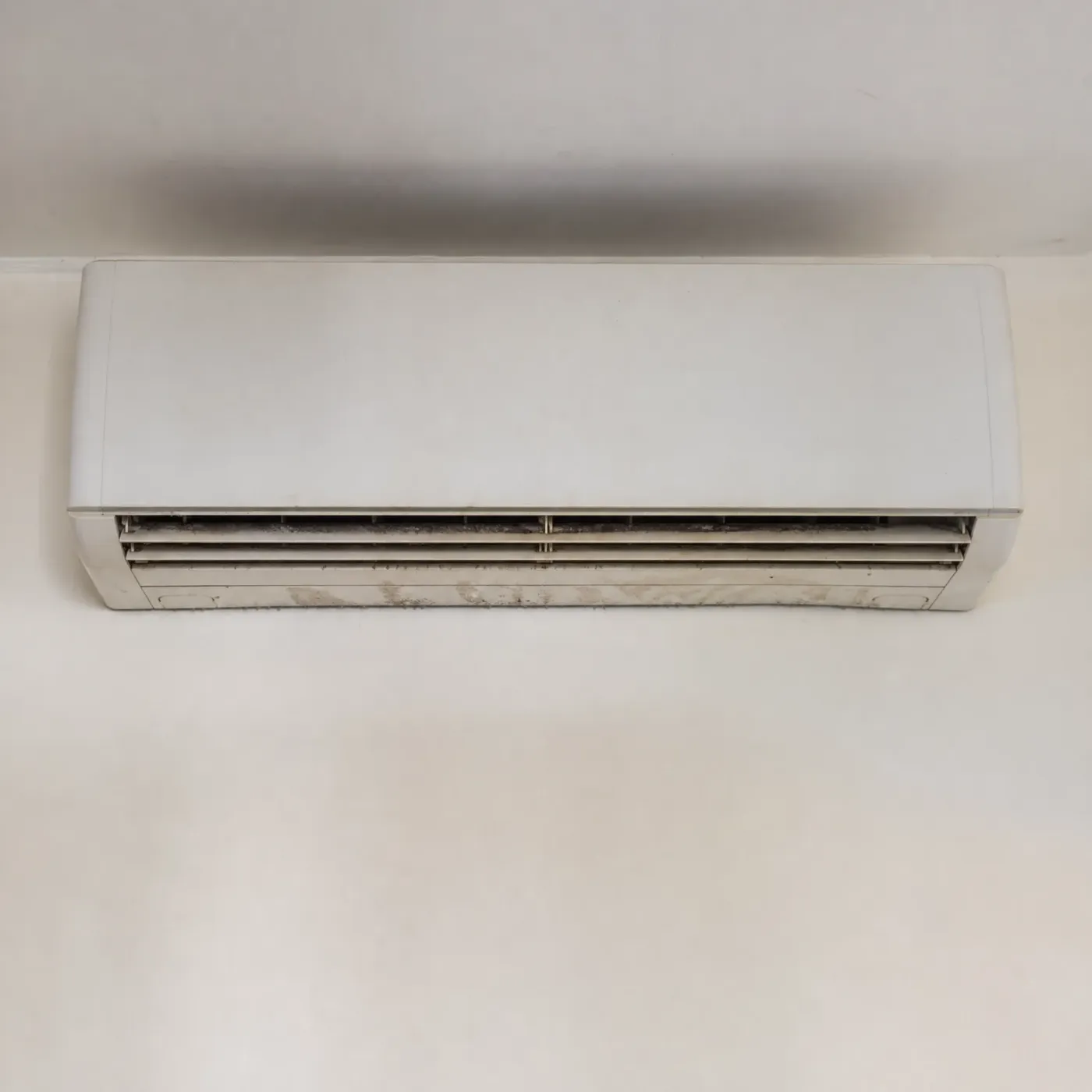
A white wall-mounted mini-split air conditioner indoor unit with visible dust and staining along its lower vent, installed on a plain pale wall.

Losing the fight against buildup

Dirt and mold along the vents block airflow before the heat ever reaches the room. A unit in this shape loses capacity right when a cold night calls for all of it, and the people in that room feel it first.

A dusty, discolored white wall-mounted mini-split air conditioner unit installed on a plain beige interior wall below a molding strip.
Before you get your mini split installation
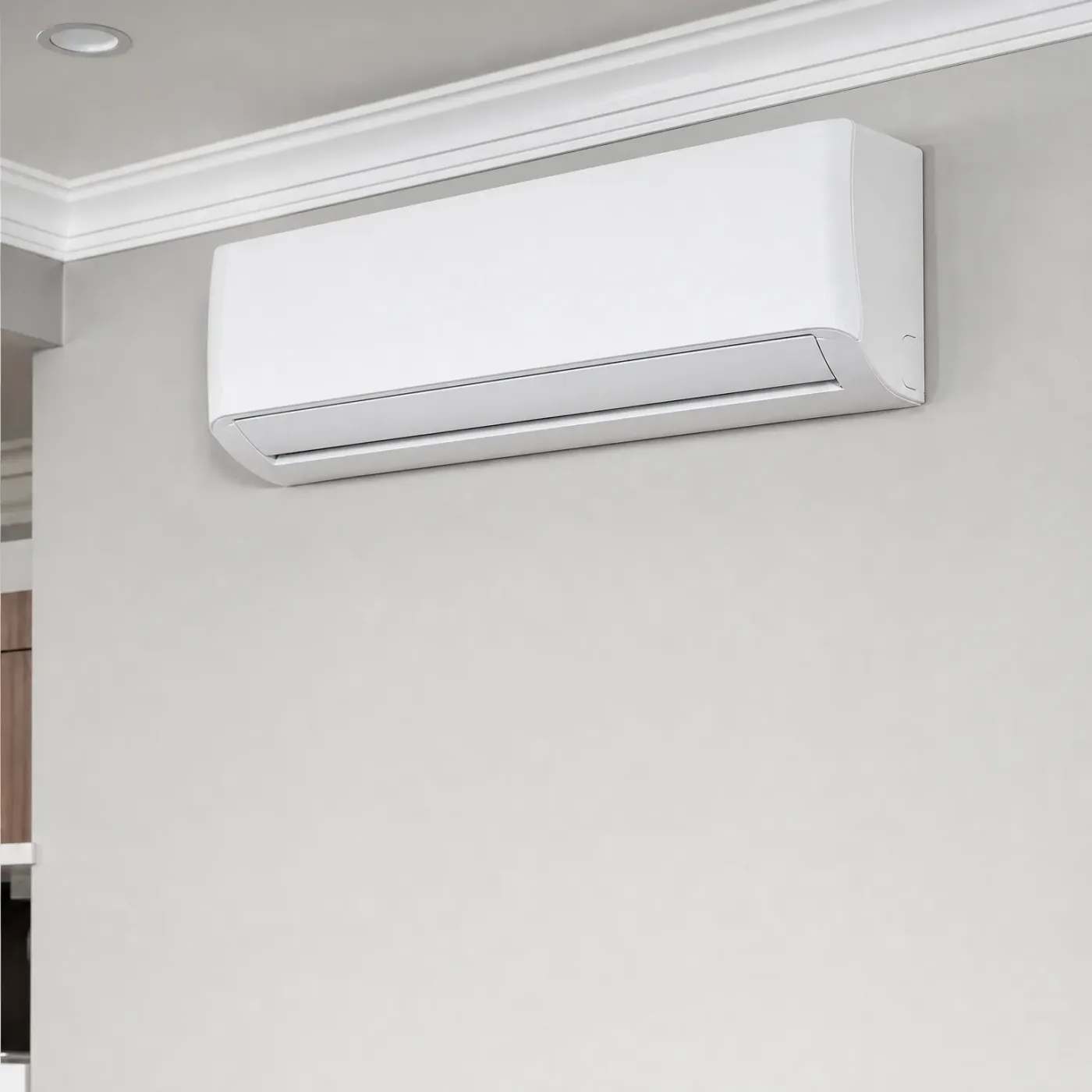
A white wall-mounted mini-split air conditioner installed high on a light gray interior wall below a white crown molding and ceiling with a recessed light.
After you get your mini split installation

Keep the furnace and use the mini split where it already works best, in the room you heat the most.

Or size the install for the whole house and let a local contractor tell you what that room by room plan actually looks like before you decide.

Power costs 31.35 cents per kilowatt-hour statewide

A mini split moves heat instead of burning fuel for it, so at that rate it still costs less per hour to run than resistance heat would. But it's not free, and in a cold stretch where it's working hard to hold a room at 40°F outside, you'll see that rate on the bill. Worth knowing before you decide to size it for the whole house.

EIA-861 2025 statewide residential average

Where that leaves you

  • A mini split sized and maintained for the room it covers can carry that room through a California winter without the furnace.
  • Below freezing, most mini splits lose capacity, so whole house heating still depends on getting the sizing and setup right.
  • A local contractor who services this equipment every season knows which rooms hold up on a mini split alone and which don't.
  • You're matched with one licensed contractor local to you, not several companies competing for the job.
  • Keeping the furnace as backup or going whole house both work, but the room by room details decide which one fits your home.
  • A unit that's undersized or dirty ends up running constantly and costing more than the gas it was meant to replace.

So can the mini split be it. In the room it's sized for, yes, down into the 30s and 40s, as long as the coils stay clean and the filter gets checked. Push it to cover the whole house and the answer turns on details you can't see from the thermostat: how each room loses heat, where the unit sits, what happens to capacity once nights drop below freezing. That's not a guess a page can make for you. It's a walkthrough.

A contractor who works on these units all winter has already seen which rooms in a California house hold steady on a mini split and which ones fight it the whole season. That's not a guarantee your home works out one way or the other. It's someone who can look at the room, the unit, and the ductwork, if there is any, and tell you straight.

When you put in a request here, it goes to one licensed contractor local to you, not a handful of companies calling to bid on the job. That's who shows up to look at your place and tell you whether the furnace stays as backup or the mini split can really take over. Either way works for plenty of homes. Which one works for yours is the thing worth finding out before winter decides for you.

At dusk, a dark board-and-batten house with a standing-seam metal roof and lit entry walkway of stone pavers, with two large outdoor heat pump units on a stone-walled pad at right and trees and hills in the background.

Mini Split Installation

Get the right pro for your mini split

Step 1 of 3: Equipment
  • A cream chunky cable-knit throw draped over a beige upholstered armchair beside a bright window, with a wooden side table holding a book and a vase of leafy branches at left.
    • A local pro who knows mini splits gets your details and gets in touch.
    • Get in touch with a local installer about a new mini split.
  • Living room corner with a gray sofa holding beige pillows and a knit throw, a round wooden coffee table with a dark planter and shallow bowl, a jute rug, a floor lamp, a framed landscape print on the wall, and a window showing trees.
    • Send the form and the search for an installer is over.
    • After this form, you can stop searching for a mini split pro.
  • A living room corner with a cream sofa and cushion, knit throw, wooden coffee table holding a shallow bowl and dark ceramic vase with green foliage, a floor lamp, potted plant in a woven basket, and linen curtains at a window.
    • Answer a few questions instead of calling shop after shop.
    • Describe your mini split job once, to one pro.
  • A round reclaimed-wood coffee table with a black metal base sits on a woven rug in front of a cream sofa with cushions, with a lit built-in fireplace and a tall indoor tree in the background.
    • Your request goes to one pro, not a list of companies.
    • The pro who reaches out is licensed in California.