Split Systems CA
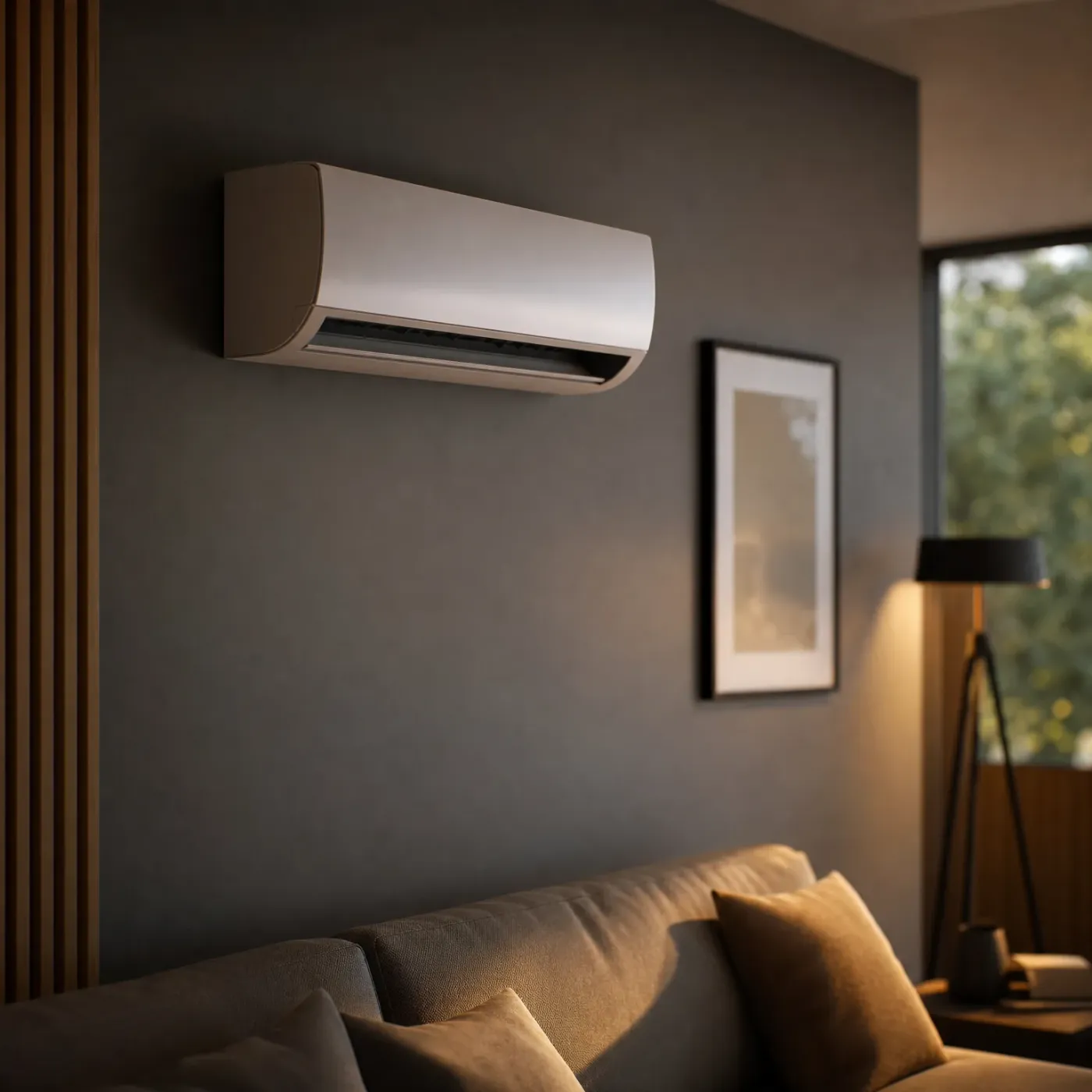
A white wall-mounted mini-split indoor unit on a gray interior wall above a beige sofa, with a framed picture, a floor lamp, wood slat wall trim, and a window showing green foliage.

Matched to your mini split job

Adding a mini split to a California home with a furnace

Your furnace already runs on gas, so adding a mini split means two systems sharing one house. The question is how they split the work, where the mini split goes, and what it means for a power bill that's already high. Send in what you've got and get matched with a contractor who'll sort out the details with you.

Find a pro near me

A mini split can work alongside your furnace instead of replacing it. The furnace keeps handling heat through the winter, and the mini split takes over cooling in the rooms it serves. This works because summers here don't carry the humidity that forces a central AC system to do constant moisture removal, so a mini split's smaller cooling capacity is often enough on its own. Most installs target the rooms that run hottest or that the furnace's ducting reaches last, like a converted garage, a bonus room, or a bedroom over the garage. Since you're already paying some of the highest power rates in the country, a mini split's efficiency at cooling just the space you're using, rather than the whole house, tends to matter more here than it would somewhere power is cheap. The furnace stays your main heat source unless you decide otherwise later.

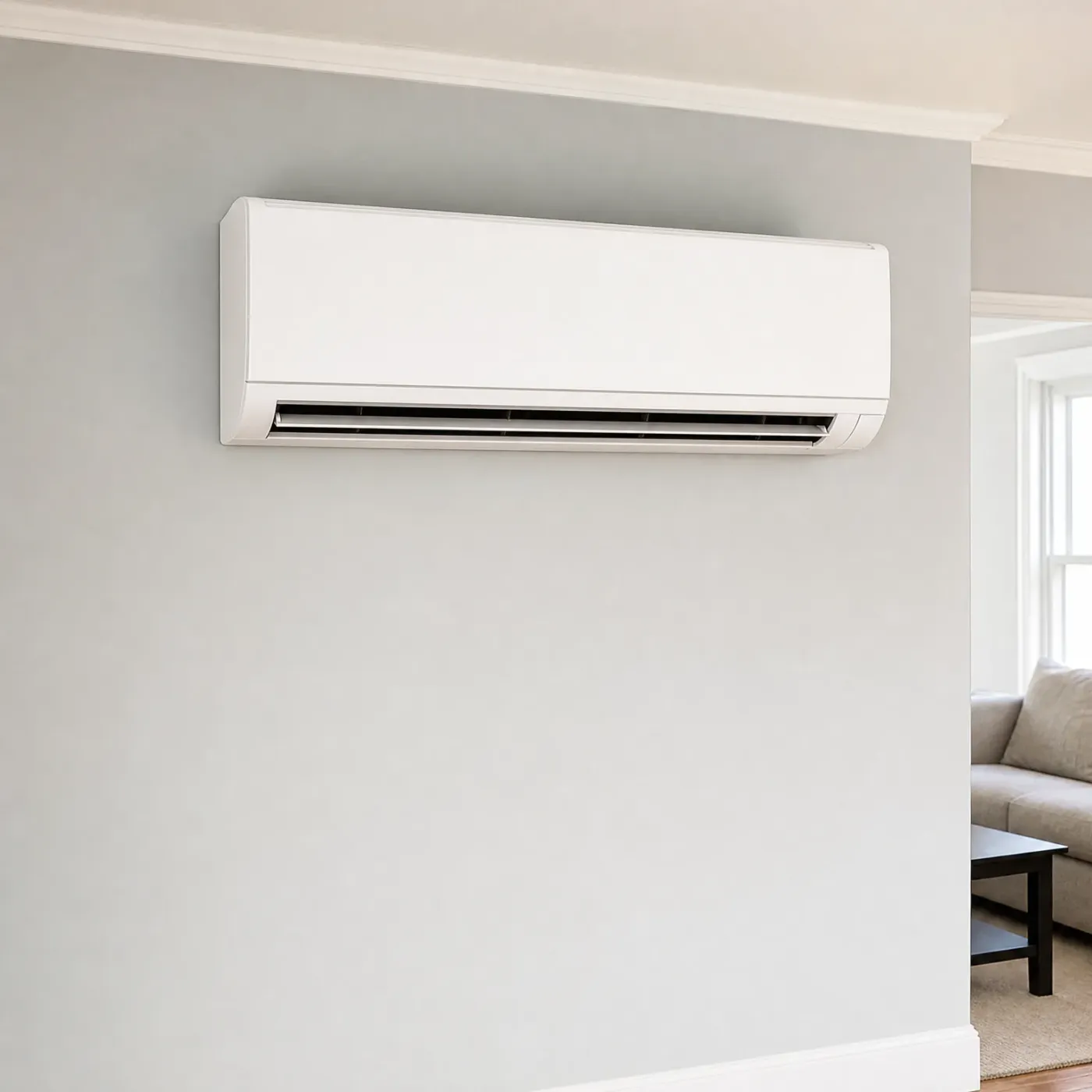
A white wall-mounted mini-split indoor unit installed high on a gray interior wall, with a sofa, dark table and window visible in an adjoining room to the right.

Running the way it should

A mini split working right keeps even airflow across the room without straining to catch up. It cycles on, cools the space the furnace doesn't reach well, and shuts off. The casing stays clean, the louvers move freely, and the wall around it stays dry.
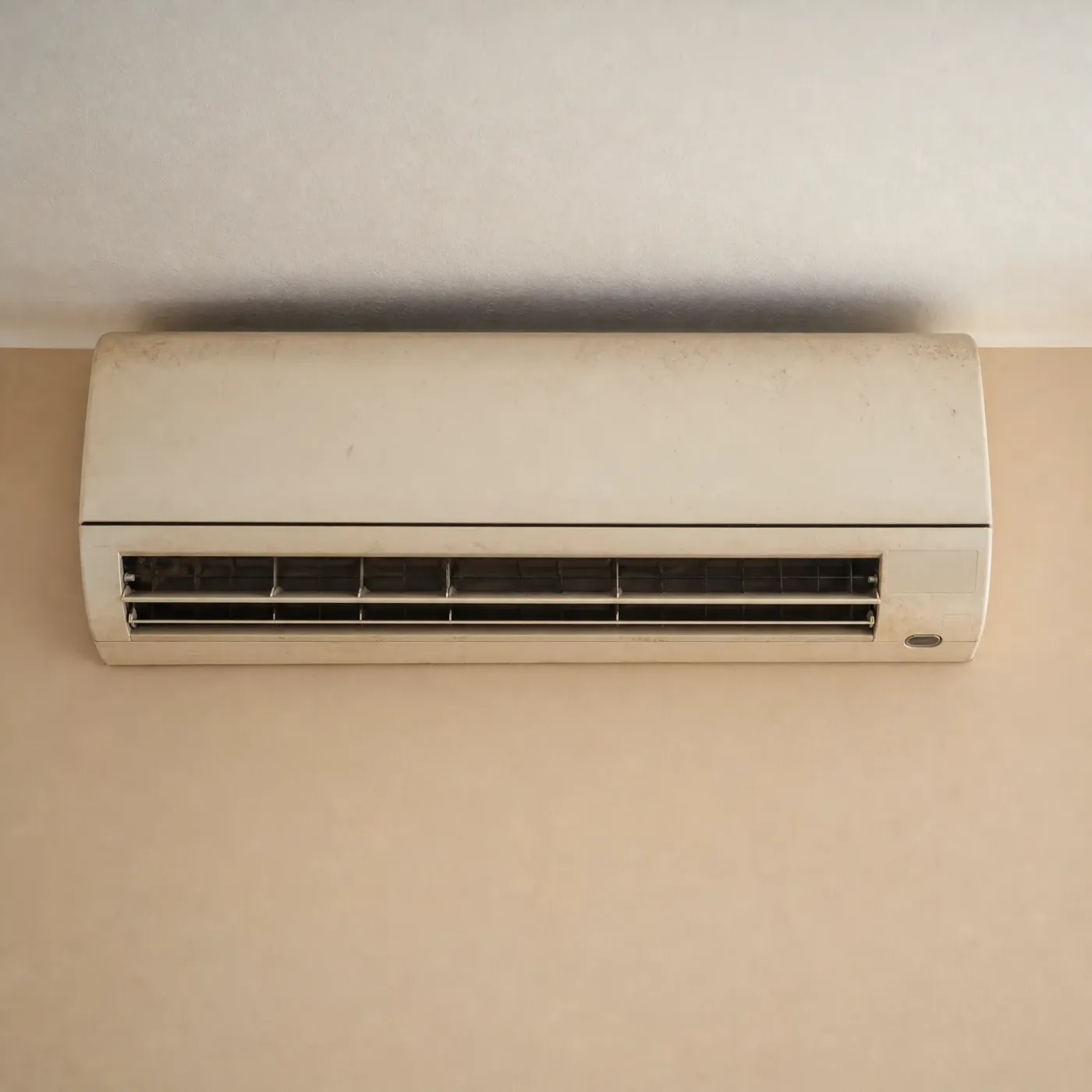

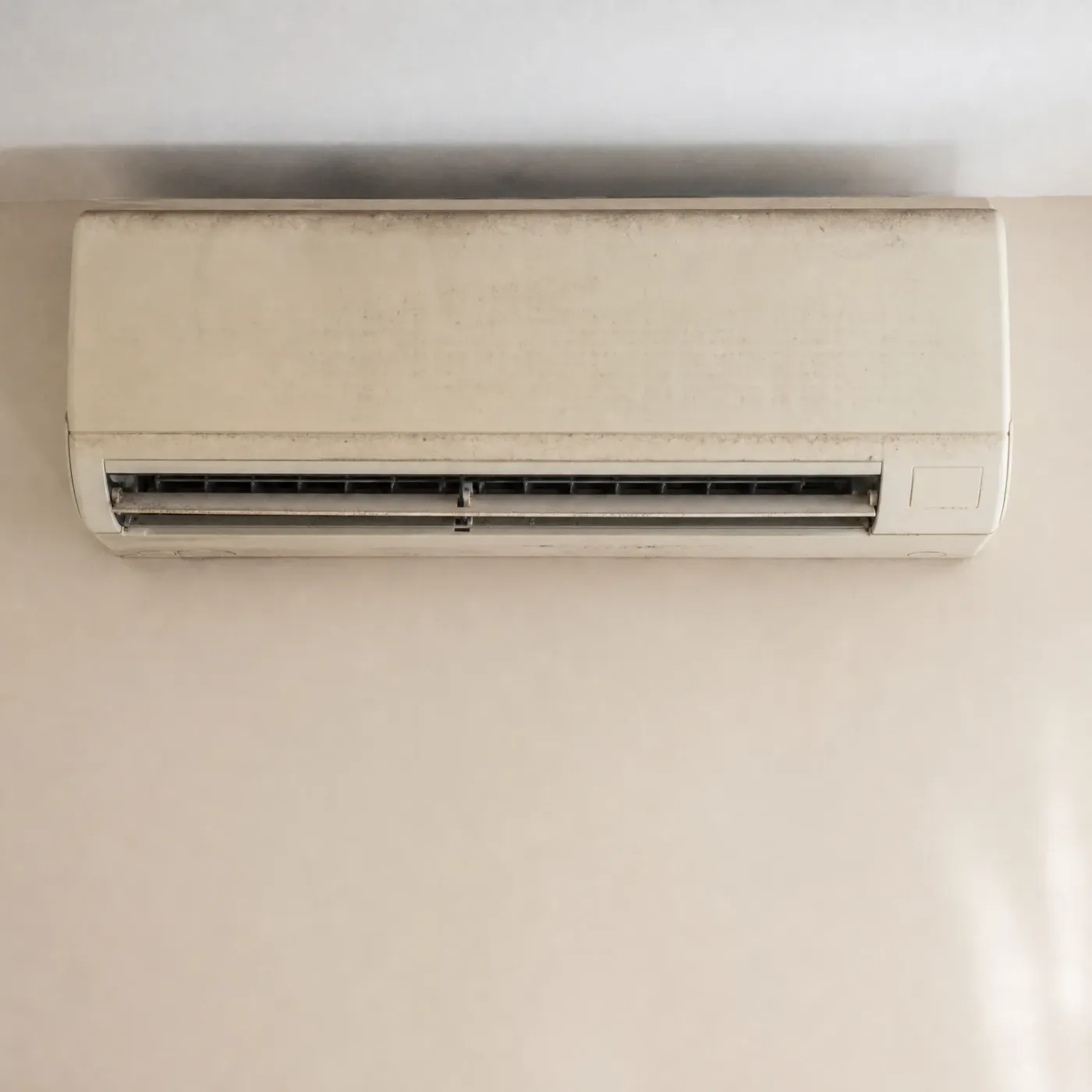
A wall-mounted mini-split air conditioner indoor unit with a dusty beige casing and dark louvered vent, installed near the ceiling on a plain beige wall.

Signs it needs a look

Yellowing on the casing and dust built up along the vent usually mean the unit has been running without its filter cleaned. Airflow through the louvers weakens as dust collects, and the unit works harder to cool the same room, which shows up on the power bill before it shows up anywhere else.

A gray-haired, bearded man in a dark coat dusted with snow stands smiling in a dimly lit room with a lamp, mirror, framed art, and a sofa in the background.
An older man with white hair and a beard, wearing a dark snow-dusted coat and scarf, stands in a warmly lit interior hallway with a framed landscape picture, a table lamp and a potted plant behind him, and a snowy view through a window at left.
An older man in a dark snow-flecked overcoat and scarf stands smiling in a warmly lit home entryway, with a glass-paned door showing darkness outside and a lamp-lit room visible through a doorway behind him.
An older man with gray hair and a beard, wearing a dark snow-dusted jacket and scarf, stands smiling in a warmly lit interior hallway with a lit table lamp, a vase of dried branches, and a framed picture in the background.

The outdoor compressor and the indoor air handler do the work between them, joined by a line set that carries refrigerant instead of ducted air. Mount the indoor unit high and in the right spot, because it's pulling room air across the coil directly, not drawing from a duct run. That's what lets it cover one room, a bedroom or the living room, while the furnace stays off in the rest of the house. The compressor itself doesn't just kick on and shut off. It modulates, running at whatever speed holds the room steady, which is part of why it costs less to run than a system that starts and stops hard, something that matters with power priced the way it is here. Nothing ties the two systems together on the control side. The furnace thermostat and the mini split's remote run independently, so you're deciding room by room which one is doing the work. Getting it installed means a line set through the exterior wall, a condensate line for the coil, and its own circuit sized to the compressor.

How a mini split actually runs

  • A mini split is two parts: the outdoor compressor unit and the indoor air handler mounted high on a wall, connected by a line set carrying refrigerant.
  • The indoor unit has no ductwork; it pulls room air across a cold coil and blows it back out, which is why placement in the room matters so much.
  • A single mini split zone is sized and controlled on its own, so it can run in a bedroom or living room while the furnace sits idle in that part of the house.
  • The outdoor compressor modulates its speed instead of just switching on and off, so it draws less power holding a room at temperature than starting and stopping hard.
  • The thermostat for the furnace and the remote or wall control for the mini split don't talk to each other, so nothing coordinates which system handles which room.
  • Installation means a hole drilled through the exterior wall for the line set, a condensate line to drain the coil, and a dedicated circuit sized for the compressor.
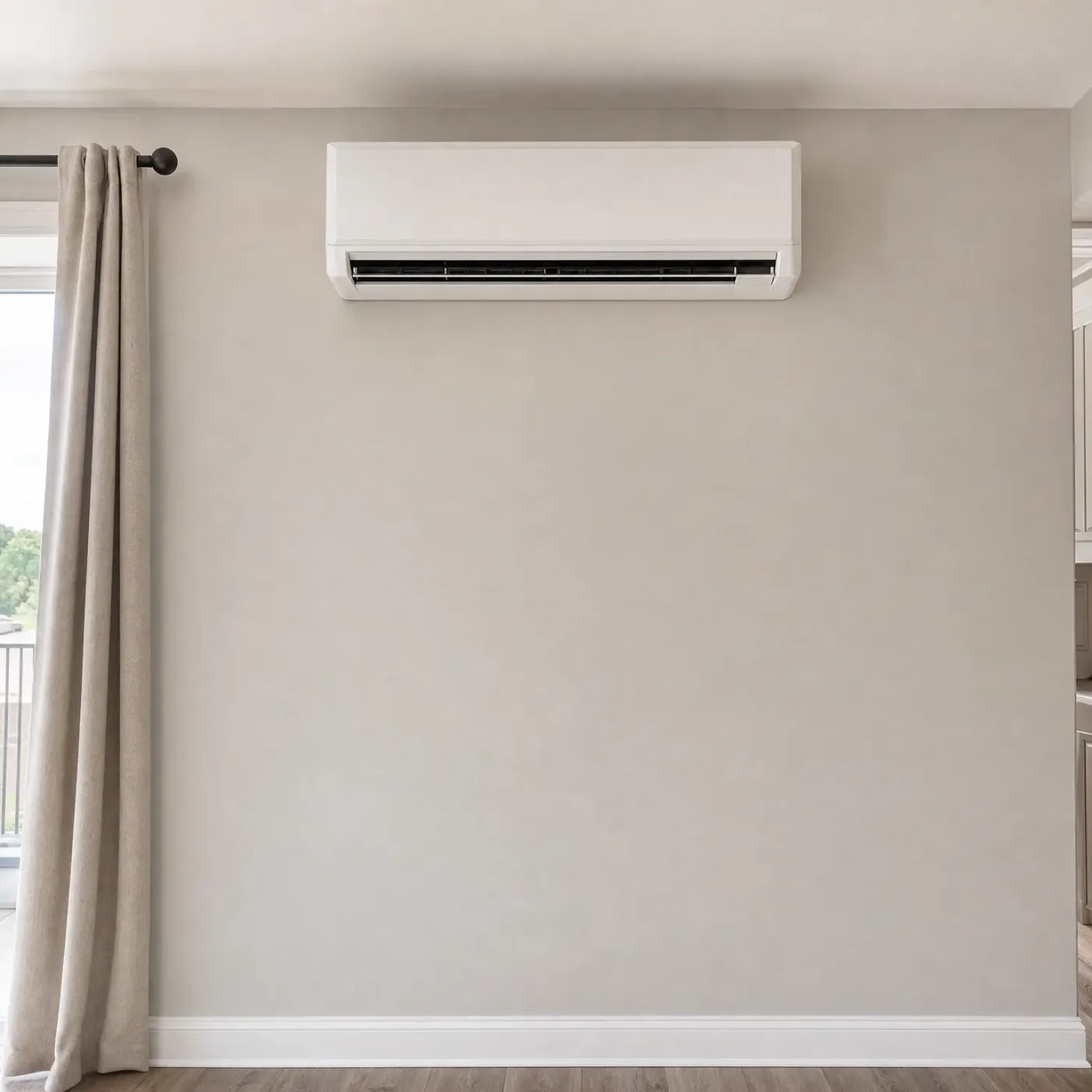
A white wall-mounted mini-split air conditioner unit high on a light gray interior wall, with a beige curtain and window at the left and wood-look flooring below.
A mini split doing its job sits quiet most of the time, cycling on to cover the room the furnace leaves warm in August, then shutting off clean.
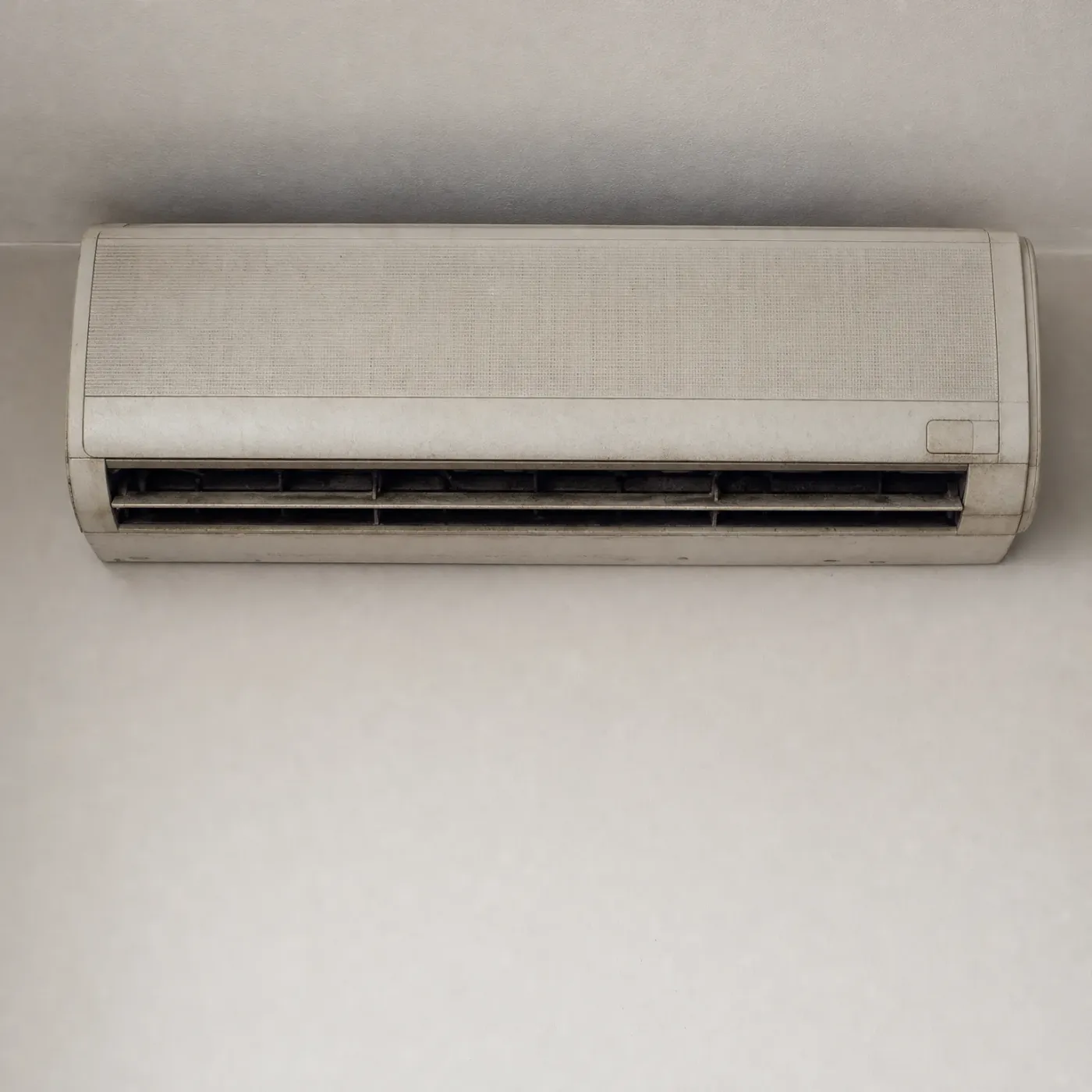
A dusty white wall-mounted mini-split air conditioner indoor unit with open louvers, installed near the ceiling on a plain light-colored wall.
Dust and dark grime at the outlet vents mean the coil behind them is just as dirty, and the unit is working harder to push air through.

What This Looks Like at Your House

  • A mini split in the room over the garage or at the end of a long duct run takes pressure off the one spot your furnace's ductwork cools worst.
  • Running the mini split for cooling and the furnace for heat means two utility bills to watch instead of one, on power that already costs more here than most places.
  • The outdoor compressor needs a clear spot against an exterior wall, which rules out a side yard already packed with a gas meter or trash cans.
  • A line set has to run from that outdoor unit to the indoor head, through the wall, which means a hole that wasn't there before.
  • If the mini split covers a bedroom or office you use daily, you'll feel the difference in that room within the first week.
  • Skipping the furnace for the rooms the mini split reaches can cut gas use in those rooms, but it won't change what the furnace burns for the rest of the house.

The room most worth picking is the one your furnace already struggles with. If there's a bonus room over the garage, or a bedroom at the far end of a duct run that never gets as warm or cool as the rest of the house, that's the one a mini split is built to fix. You'll feel it there within days, because that head is working on just that one room instead of sharing air pulled through the whole duct system.

Outside, the compressor needs a real spot against the wall, not a leftover corner. Walk your side yards and check what's already out there. A gas meter, a row of trash cans, or a fence line too close to the house can all rule out the spot you had in mind, and the installer will need another one. Wherever the unit lands, the line set connecting it to the indoor head has to pass through the wall, so plan on a hole being cut that wasn't there before.

Once it's running, you're watching two utility bills instead of one. The furnace still carries the heat for the rest of the house, and gas use in the rooms the mini split covers may drop, but it won't touch what the furnace burns everywhere else. The mini split's own draw lands on the electric side, where power here already runs higher than most of the country.

A woman wrapped in a thick beige fleece blanket sits on a sofa with an open book on her lap, beside a lit table lamp, with a frost-covered window behind her.
An older woman with gray hair in a bun and glasses, wearing a beige knit sweater, smiles while looking to the side in a warmly lit kitchen, with a loaf of bread on the counter in the foreground and a snowy scene outside the window.

A mini split pro near you

One request ends the search for a mini split installer.

There's no charge for the request.

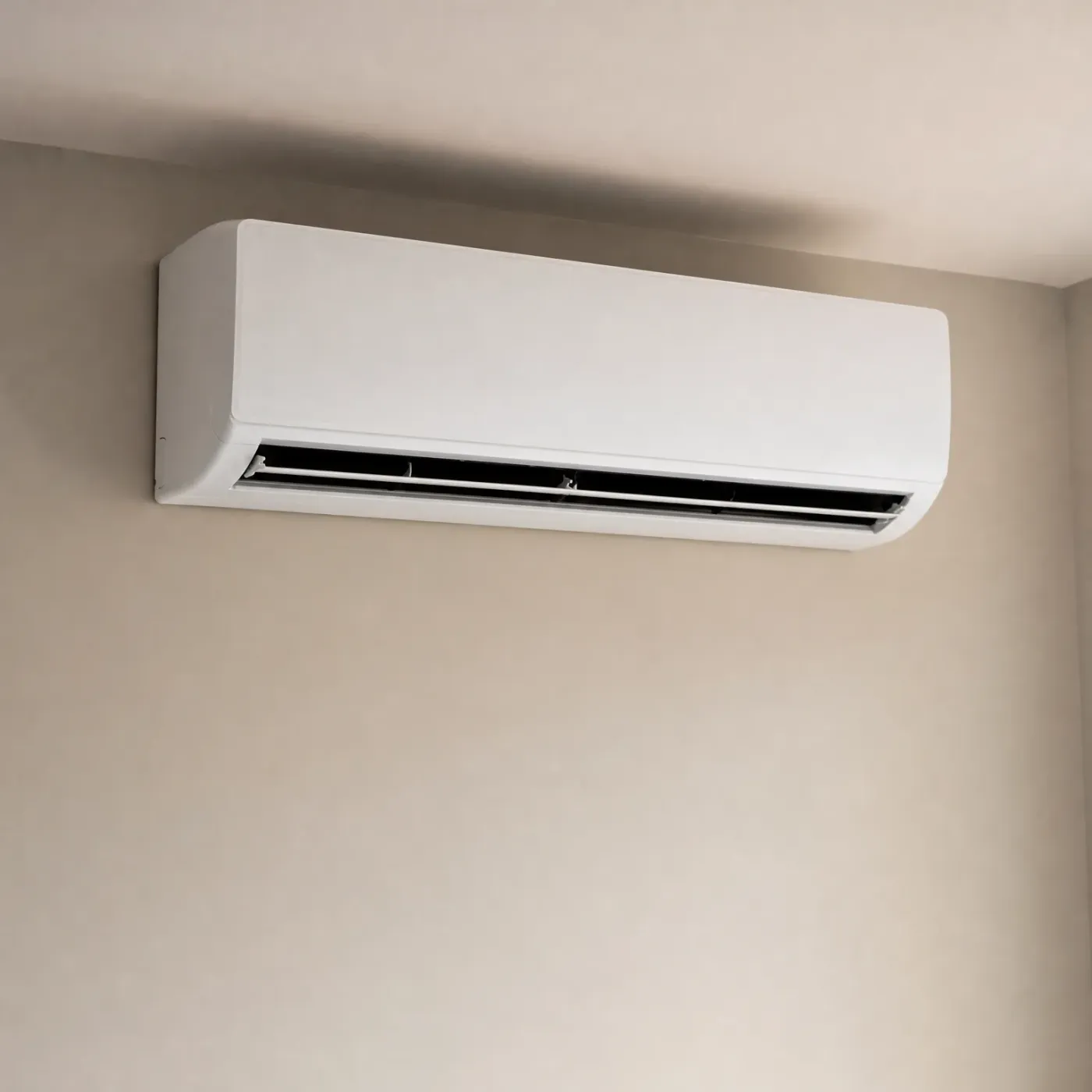
A white wall-mounted mini-split air conditioner installed near the ceiling on a plain beige interior wall.

Doing its job

The grille sits flush and the panel stays clean. Air comes off the outlet even across the room instead of pooling near the unit. A mini split like this cycles on when the room needs it and off when it doesn't, without running long or loud.

A dusty, discolored wall-mounted mini-split air conditioner unit near the ceiling of a plain beige interior wall.

Worn past its years

That discoloration on the casing isn't just dust sitting on top. It builds up when the unit has been working harder than it should, pulling air through a coil that's been dirty for a while. A mini split in this shape is losing capacity it used to have.

Does the mini split need its own electrical circuit?

Your furnace runs on gas, so power was never the deciding factor for heat. A mini split is different. It runs on electricity for both the compressor outside and the air handler inside, and California's rates make people want to know up front what that means for the panel and the wiring before anyone starts cutting into a wall.

Yes, a mini split needs its own dedicated circuit

A mini split runs on a dedicated circuit sized for its outdoor unit, separate from anything else in the house. It can't share a circuit with an outlet or another appliance. The breaker size depends on the unit's draw, and the wire gauge has to match that breaker. Some homes have room in the electrical panel for one more circuit. Others don't, especially older panels already carrying a full load, and that means an upgrade before the mini split goes in at all. This is part of what gets checked during installation, not something to guess at ahead of time. Given what power costs here, getting the circuit sized right the first time matters more than it would somewhere power is cheap.

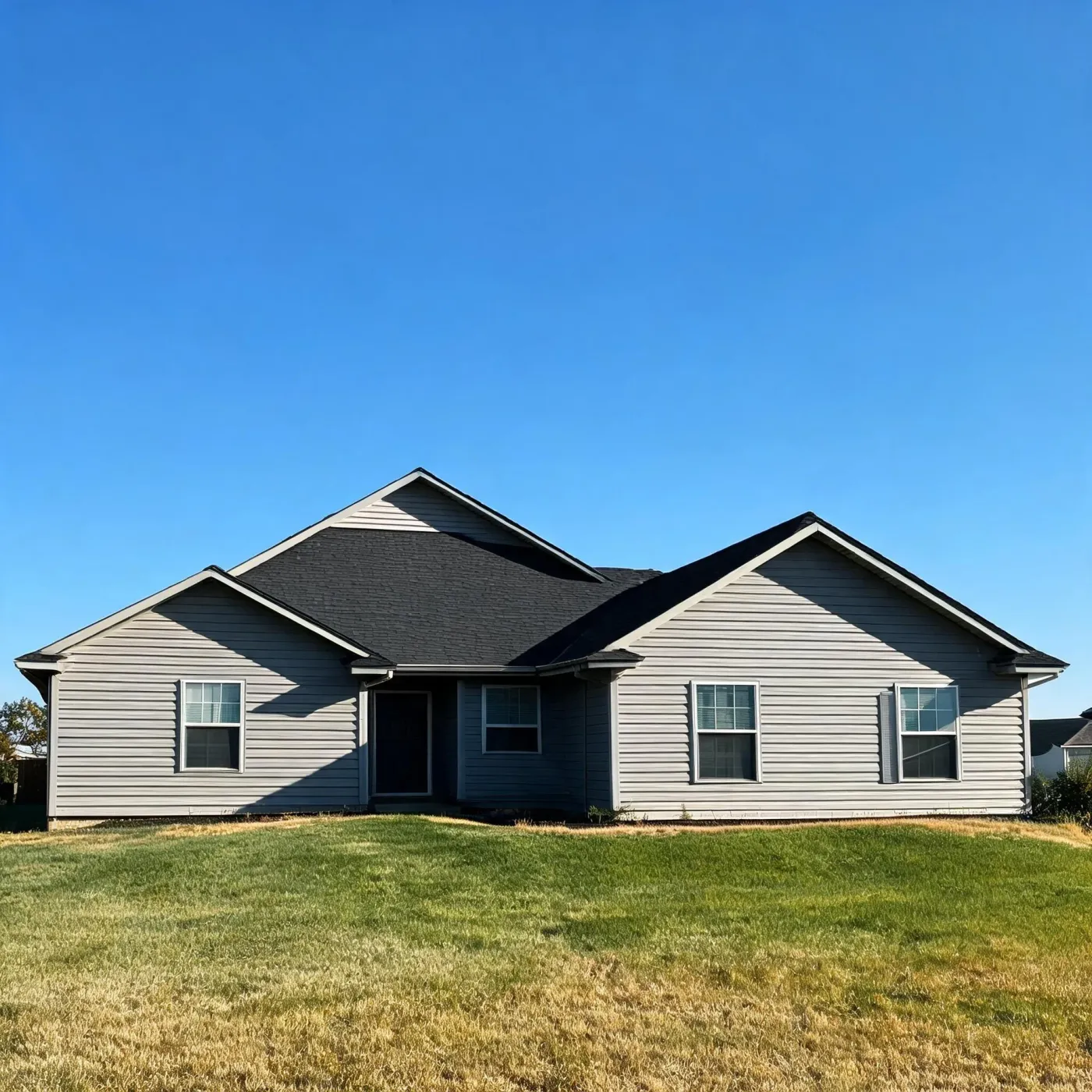
A single-story house with gray vinyl siding, dark shingled gable roofs, and white-trimmed windows, set behind a partly dry green lawn under a clear blue sky.

California summers stay dry even when they're warm, and the dew point averaging 50°F across June, July and August, according to NOAA climate data, is why. Air that dry doesn't force a cooling system to work at wringing out moisture, so your mini split spends its effort just lowering the temperature in the room. You'll notice it cycling off instead of running long stretches, and the air it puts out won't feel clammy a few feet from the unit. It's part of why a mini split can hold a single room here without straining the way it might somewhere humid.

NASA POWER T2MDEW county cells weighted by homes

Why does one room still run hot or cold?

You notice it most in the room over the garage or at the far end of the house, the one your furnace's ductwork never quite reaches. In summer it holds heat after the rest of the house has cooled. In winter it's the last to warm up and the first to cool back down. You might find yourself shutting the door to keep it from pulling the whole system's output, or running a space heater in there instead of fighting the thermostat. Left alone, that's just a room you avoid using. The part worth paying attention to is what it does to the furnace, which keeps running longer trying to satisfy a thermostat that reads fine everywhere except that one spot.

  1. An electrician runs a dedicated circuit to the spot the indoor unit will hang.

  2. The outdoor compressor goes on a pad or bracket outside that wall.

  3. A line set carrying refrigerant and wiring connects through a hole drilled in the wall.

  4. The indoor air handler mounts high on the wall and connects to that line set.

Power costs 31.35 cents per kilowatt-hour statewide

At 31.35 cents per kilowatt-hour, every hour your mini split runs shows up on the bill fast. Sizing it to cover only the room it's meant for, instead of letting it fight the furnace's job, keeps those hours down.

EIA-861 2025 statewide residential average

One mini split can cover a single room added on without ductwork, like a garage conversion or a bonus room over the garage, where running the furnace's ducts back there was never practical in the first place.

Whole-house ducted cooling means the furnace's existing ductwork carries the load, with the mini split out of the picture entirely. That only works if the ductwork was sized to cool the house, not just heat it, which isn't true in every home.

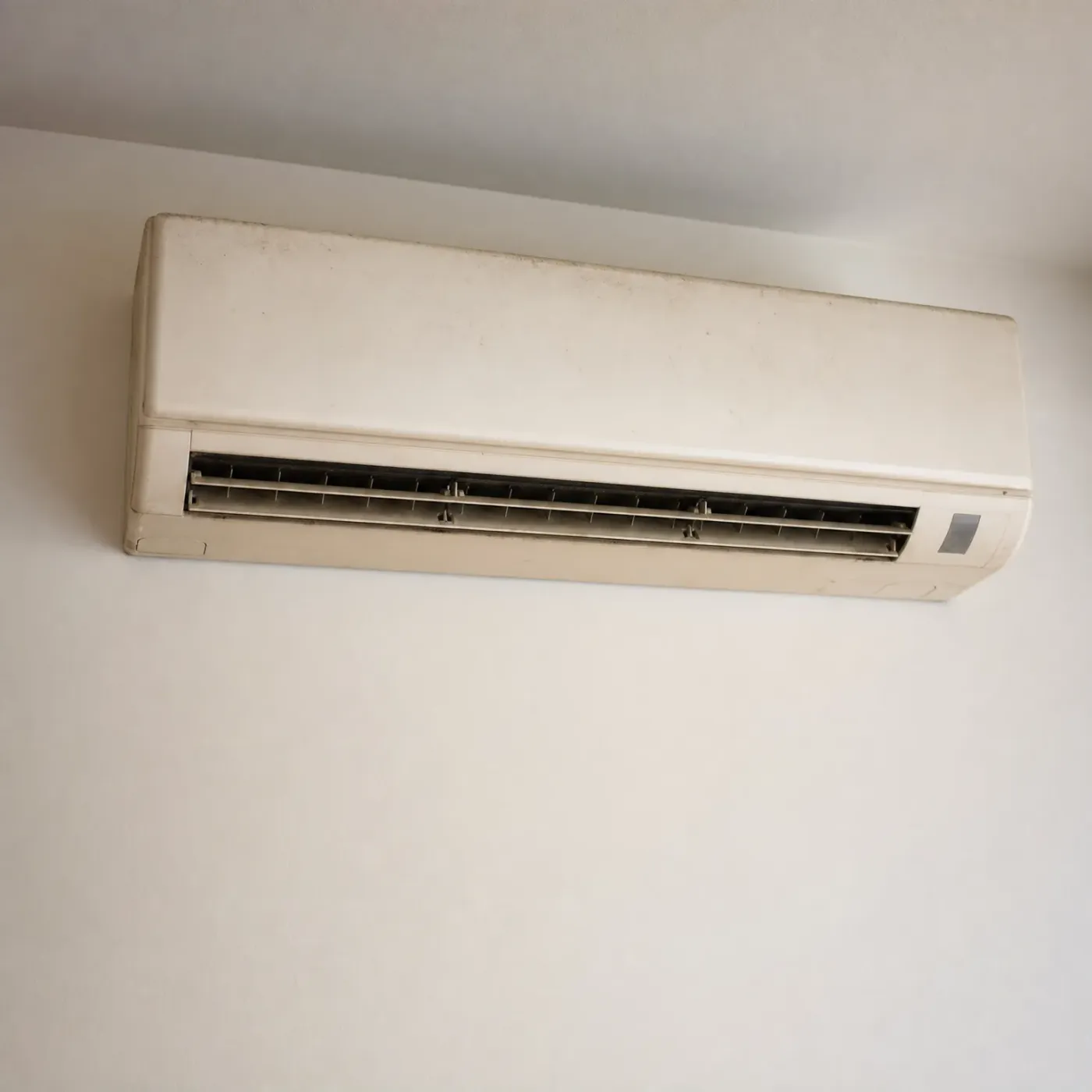
A wall-mounted mini-split air conditioner indoor unit with a discolored cream plastic casing and dusty outlet vanes, installed high on a plain light-colored interior wall near the ceiling.
Before you get your mini split installation
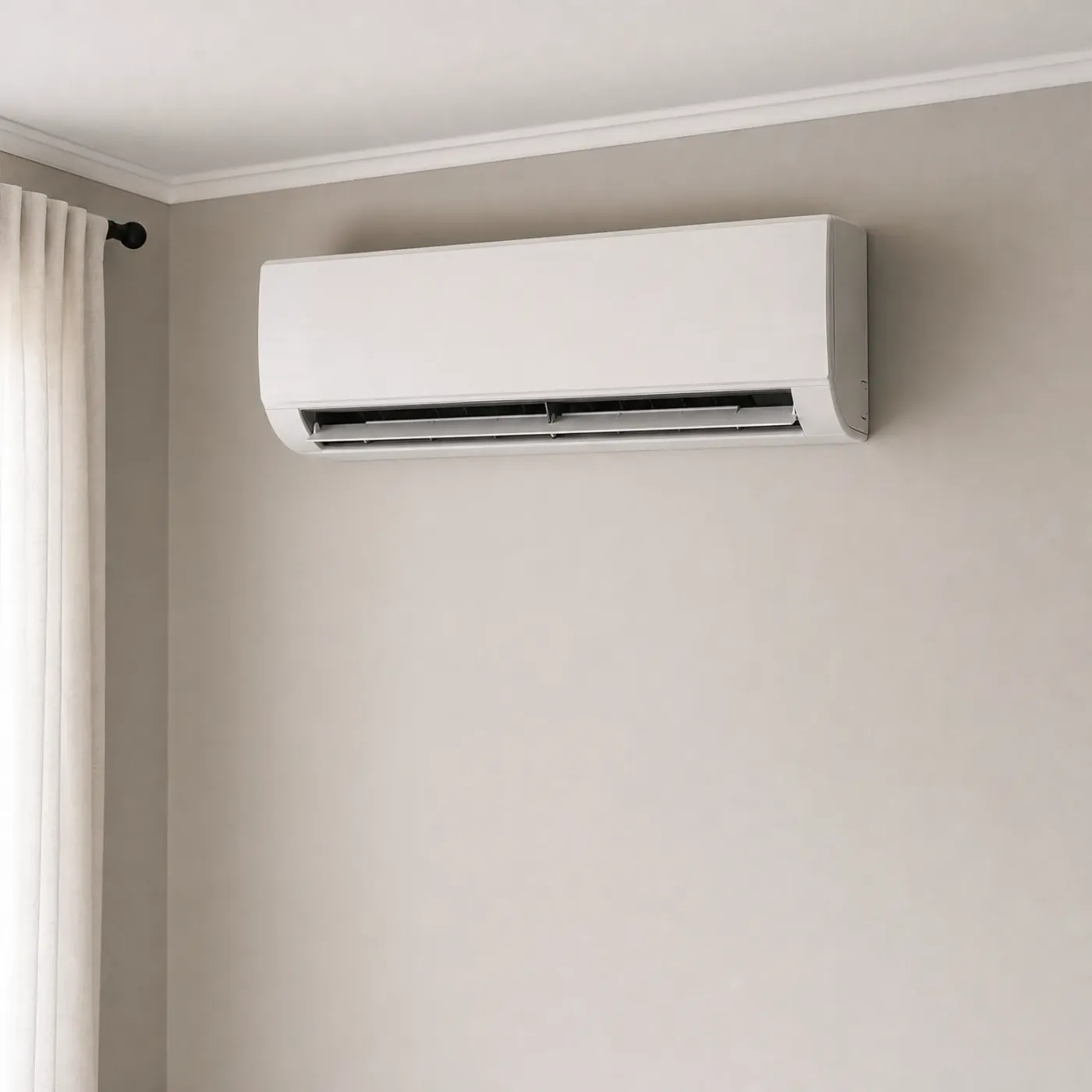
A white wall-mounted mini-split air conditioner installed high on a beige interior wall near the ceiling molding, with a light curtain and curtain rod at the left edge.
After you get your mini split installation

One zone, done right

A mini split sized for the one room it serves runs short, even cycles and leaves the rest of the house to the furnace and its existing ductwork, nothing shared or strained.

Request a pro

One zone, fighting the house

A mini split too big or too small for its room runs long or short-cycles, pushing your electric bill up while the room still never sits at the temperature you set.

Request a pro
A smiling man in a denim shirt and white t-shirt stands in an open dark doorway of a stucco house, facing a woman with long brown hair and a green jacket seen from behind in the foreground.

Two systems, one house, each doing its own job

A mini split added to a home that already heats with gas comes down to this: the furnace keeps winter, the mini split takes the room or rooms that need help in summer, and the two don't compete for the same work. Sizing matters more than most people expect, and so does where the indoor unit hangs and whether the circuit feeding it was run correctly. Get those right and the system settles into short, even cycles instead of running long against a power rate that doesn't forgive waste.

None of that is something to figure out alone from a search page. Send in what you've got, the room, the furnace, what the house is working with now, and you'll be matched with a contractor who installs mini splits in homes like yours. They'll reach out to go over it with you. From there, the job of finding the right person for it is off your plate.

A gray upholstered sofa with a matching cushion sits beside a potted plant and a wooden table holding a small green plant in a stone pot, near a curtained window.
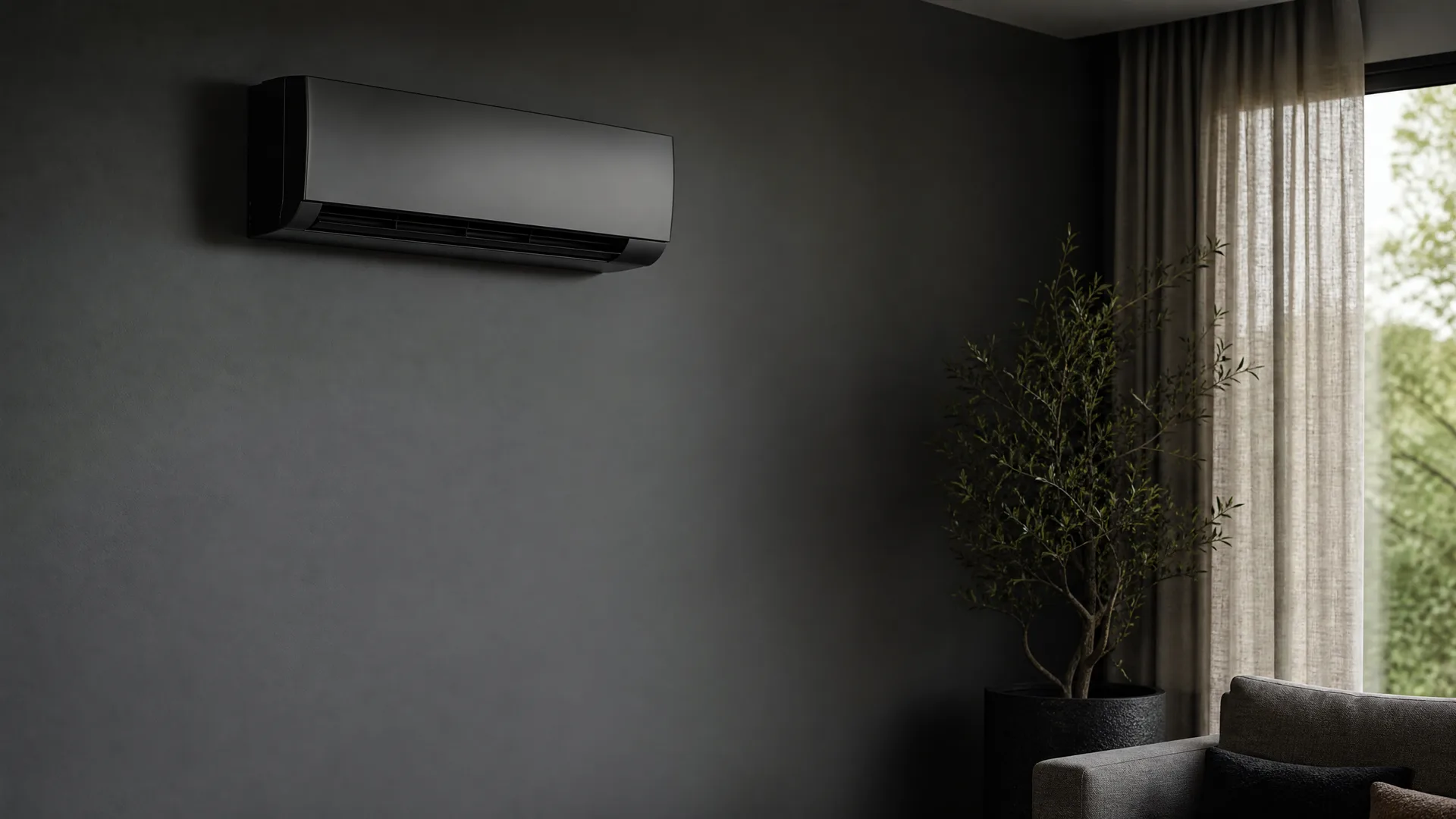
A dark wall-mounted mini-split air conditioner on a gray interior wall, with a potted olive-like tree, sheer curtains over a window showing green foliage, and a gray sofa in the lower right corner.

Get the right pro for your mini split

After you send the request, you're done searching.

Step 1 of 3: Equipment